Chinatown, London
2022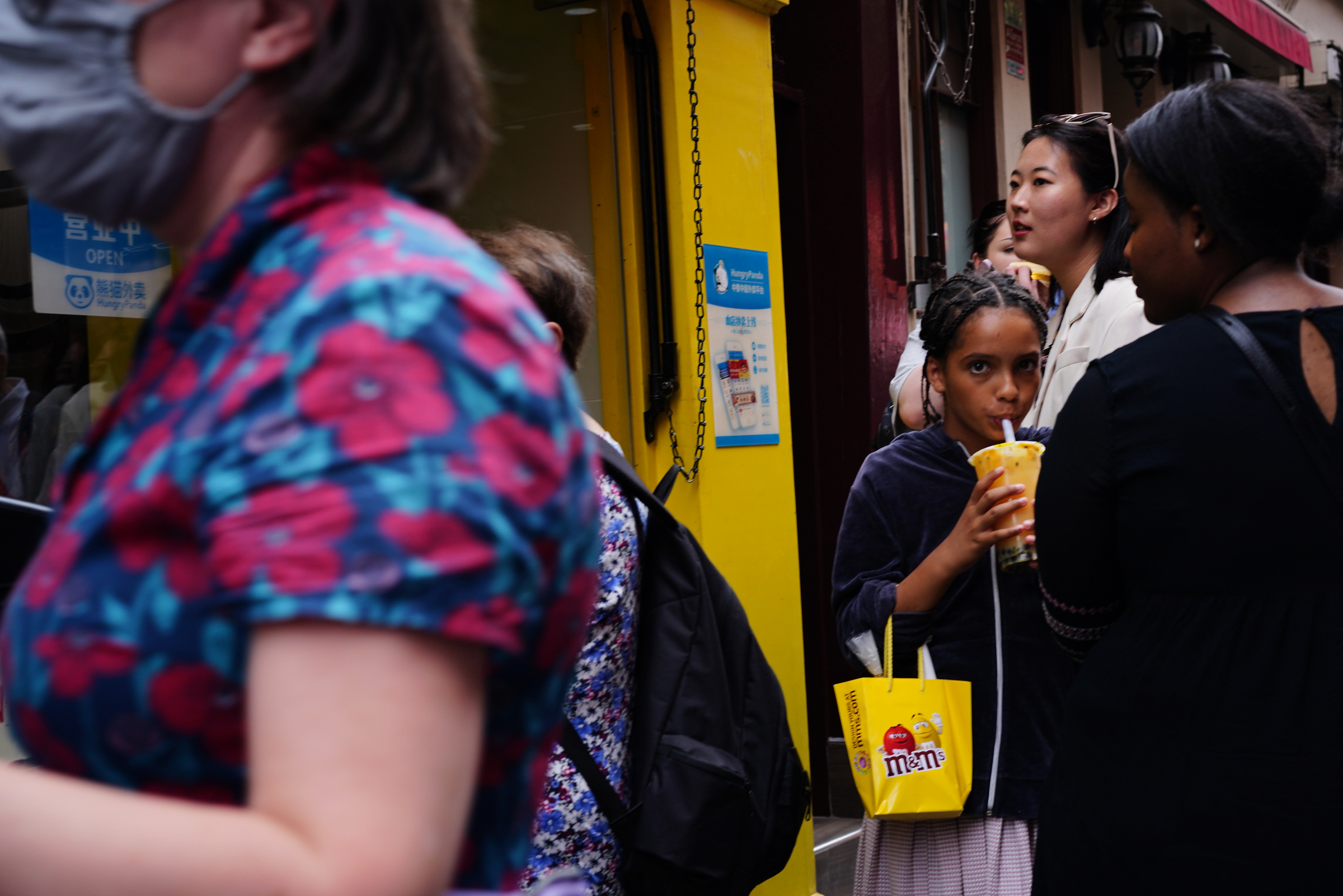
A place can become legible before it is encountered. Chinatown arrives through an image already held in the mind: a vocabulary of colour, ornament and cultural signs. Recognition offers a point of entry, but also establishes the terms on which a place is seen. What fits the image becomes conspicuous; what exceeds it can remain in plain sight, scarcely perceived.1
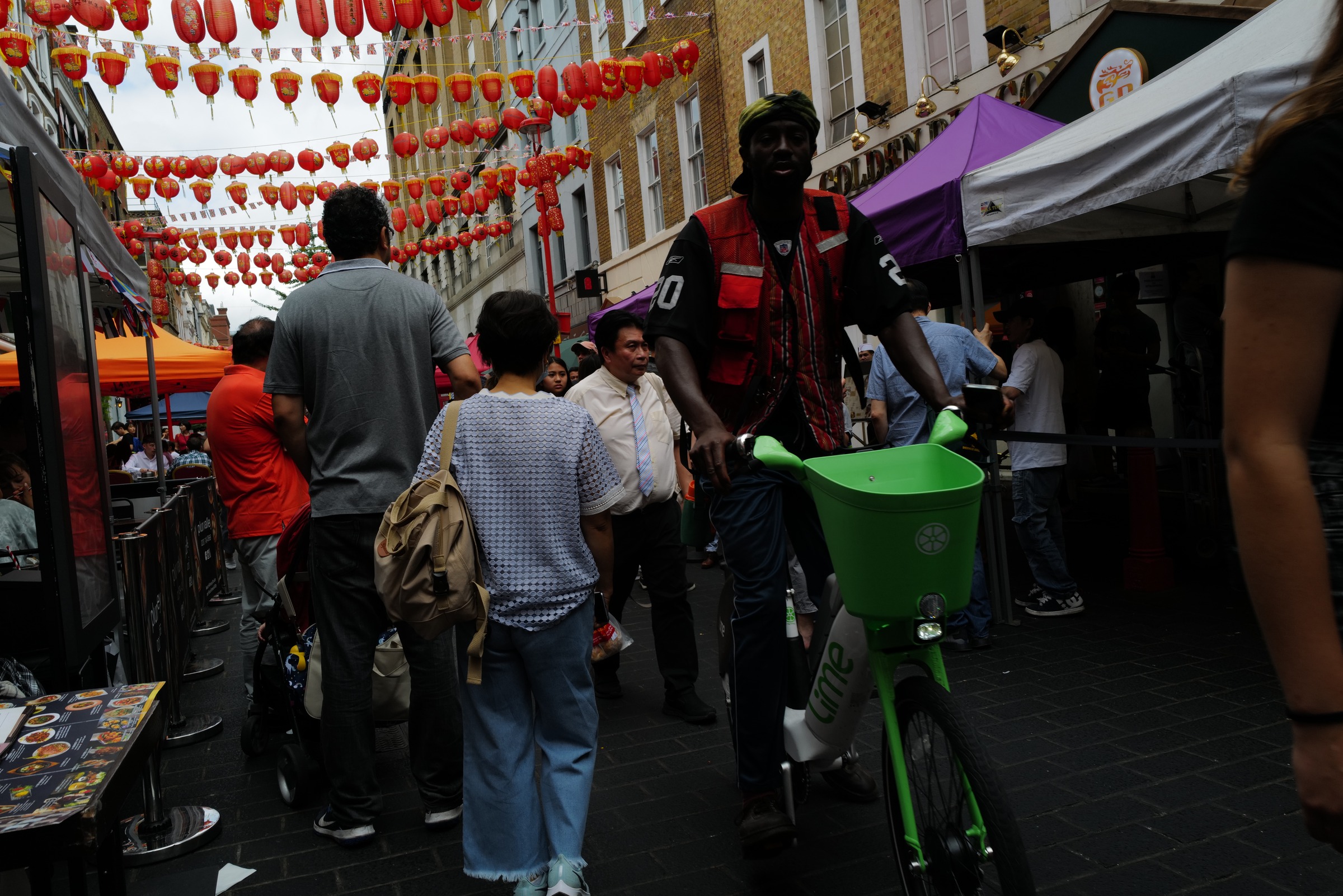
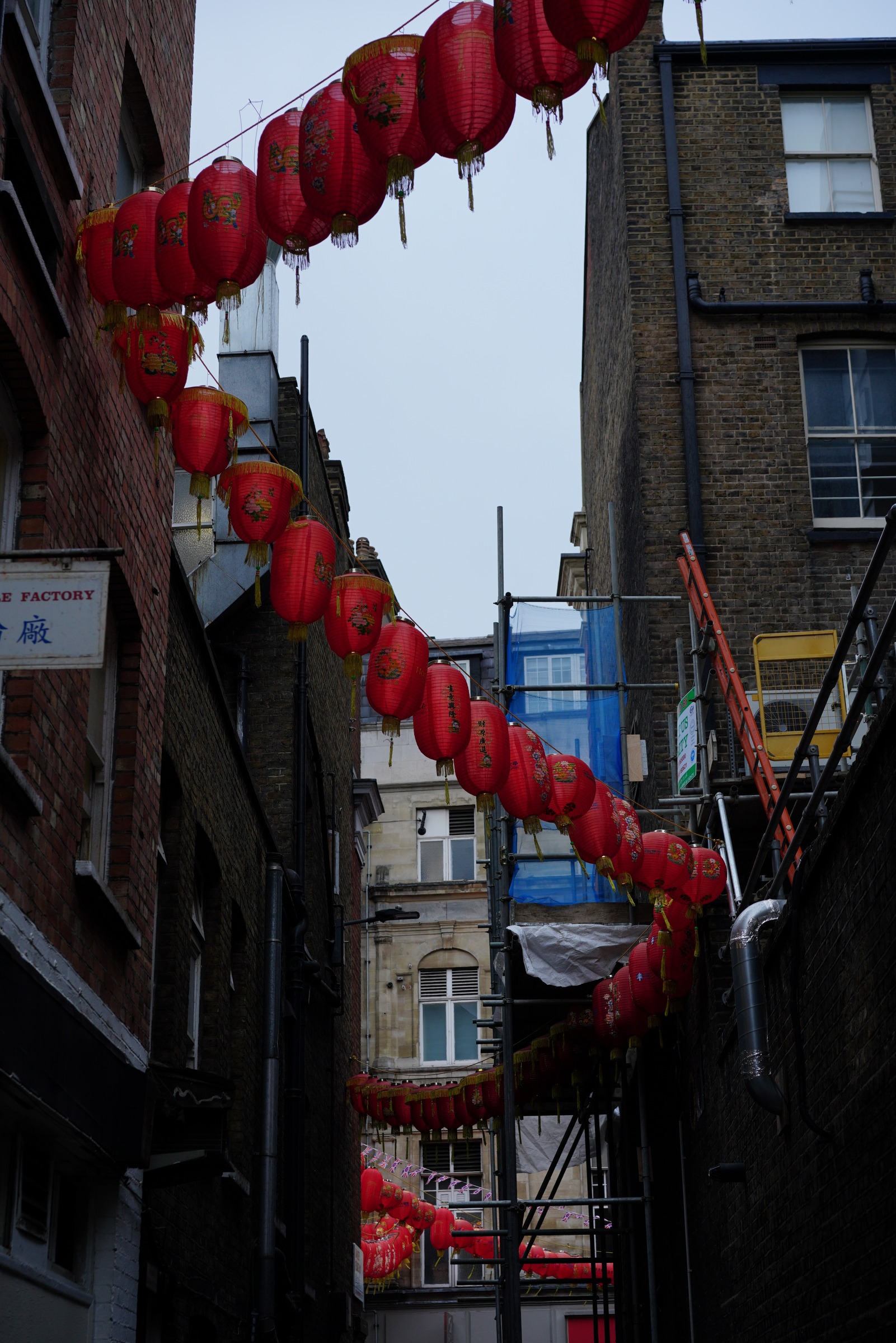
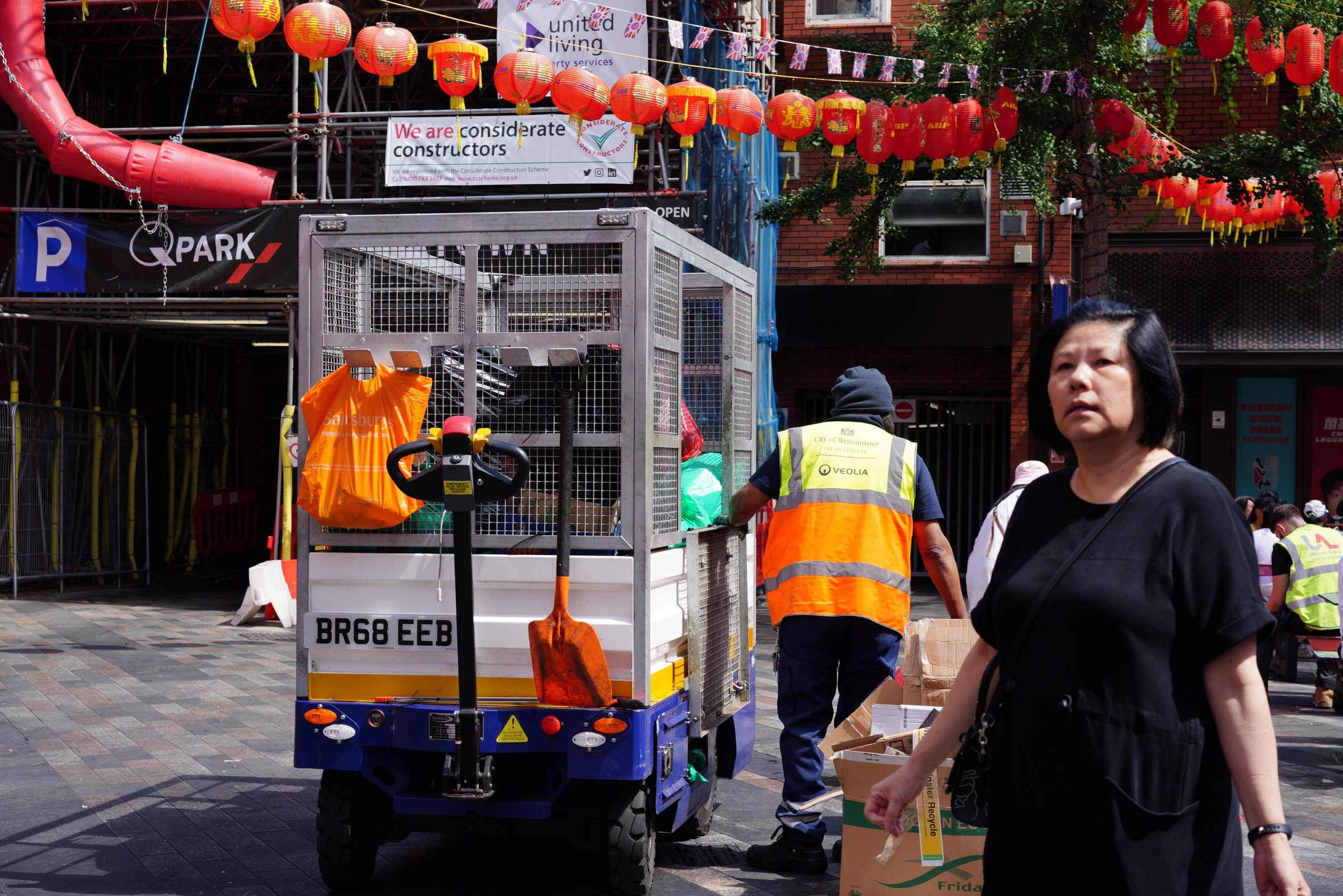
For a diasporic place, visibility holds an unresolved tension. The forms through which a culture makes itself present can also become the forms through which it is confined.2 Familiarity gathers different lives into an apparently coherent whole. Yet that coherence depends on continuous acts of work, exchange and occupation, each with purposes that exceed the identity of the place. Display belongs to this life as fully as the labour that sustains it. Neither can contain the other.
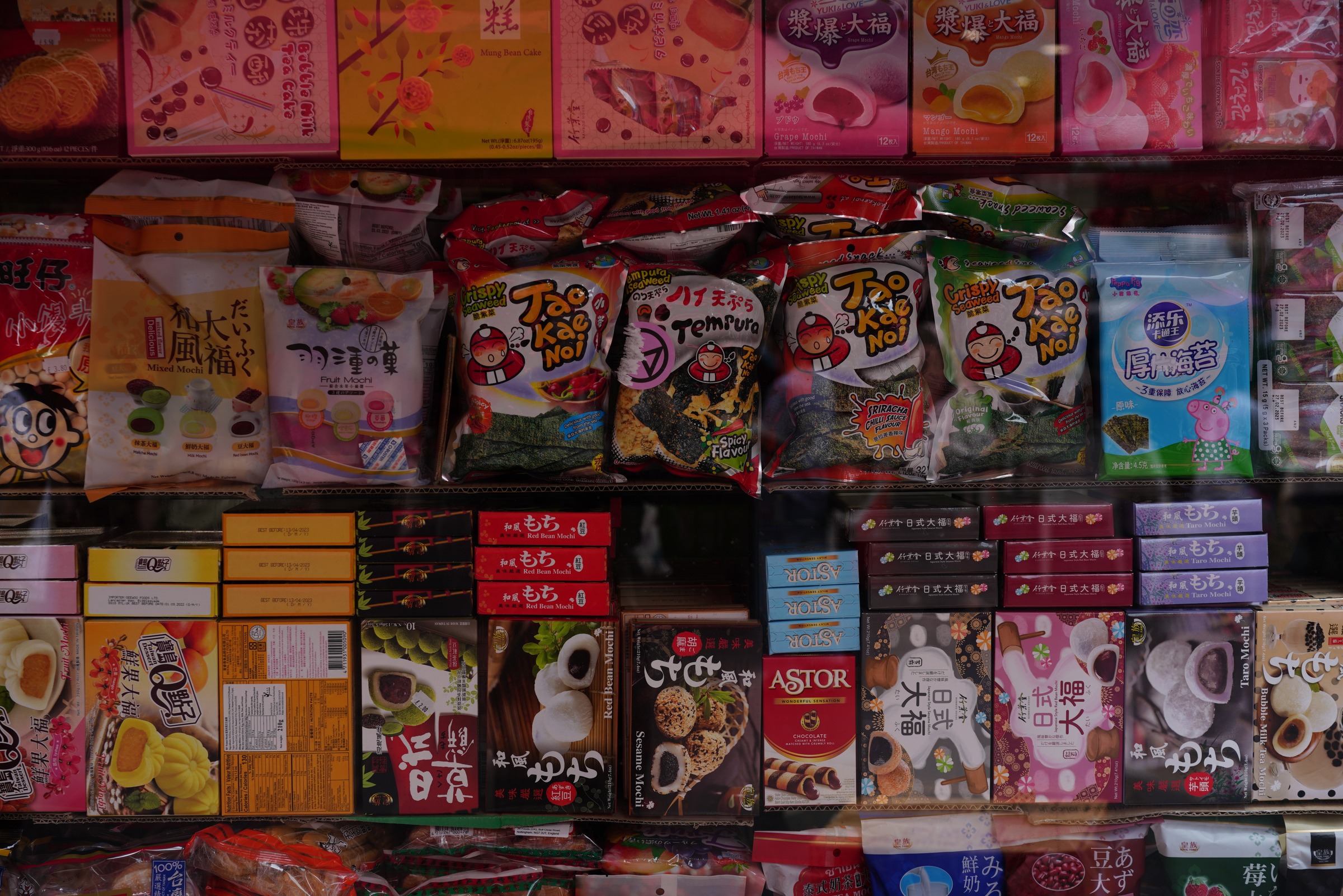
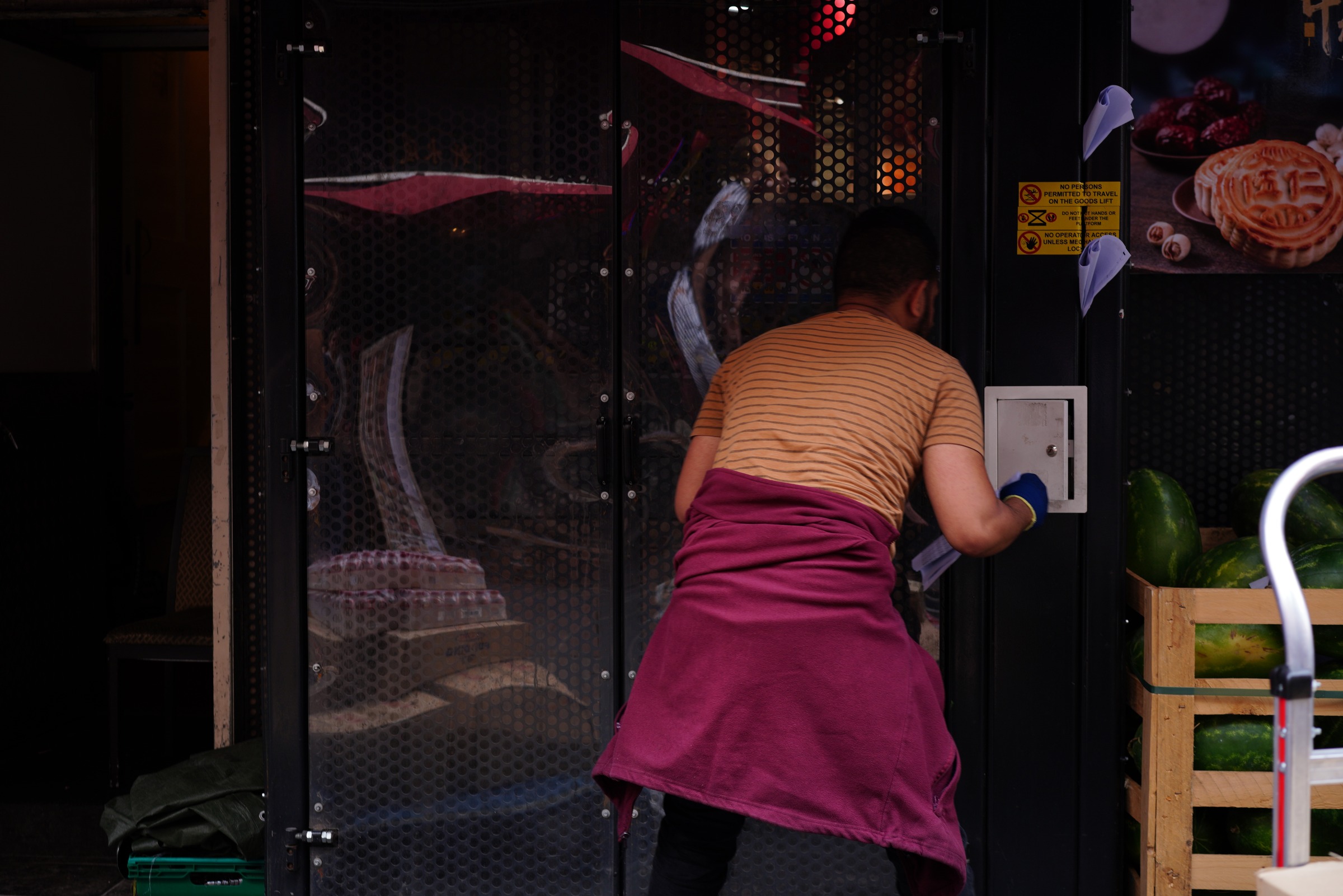

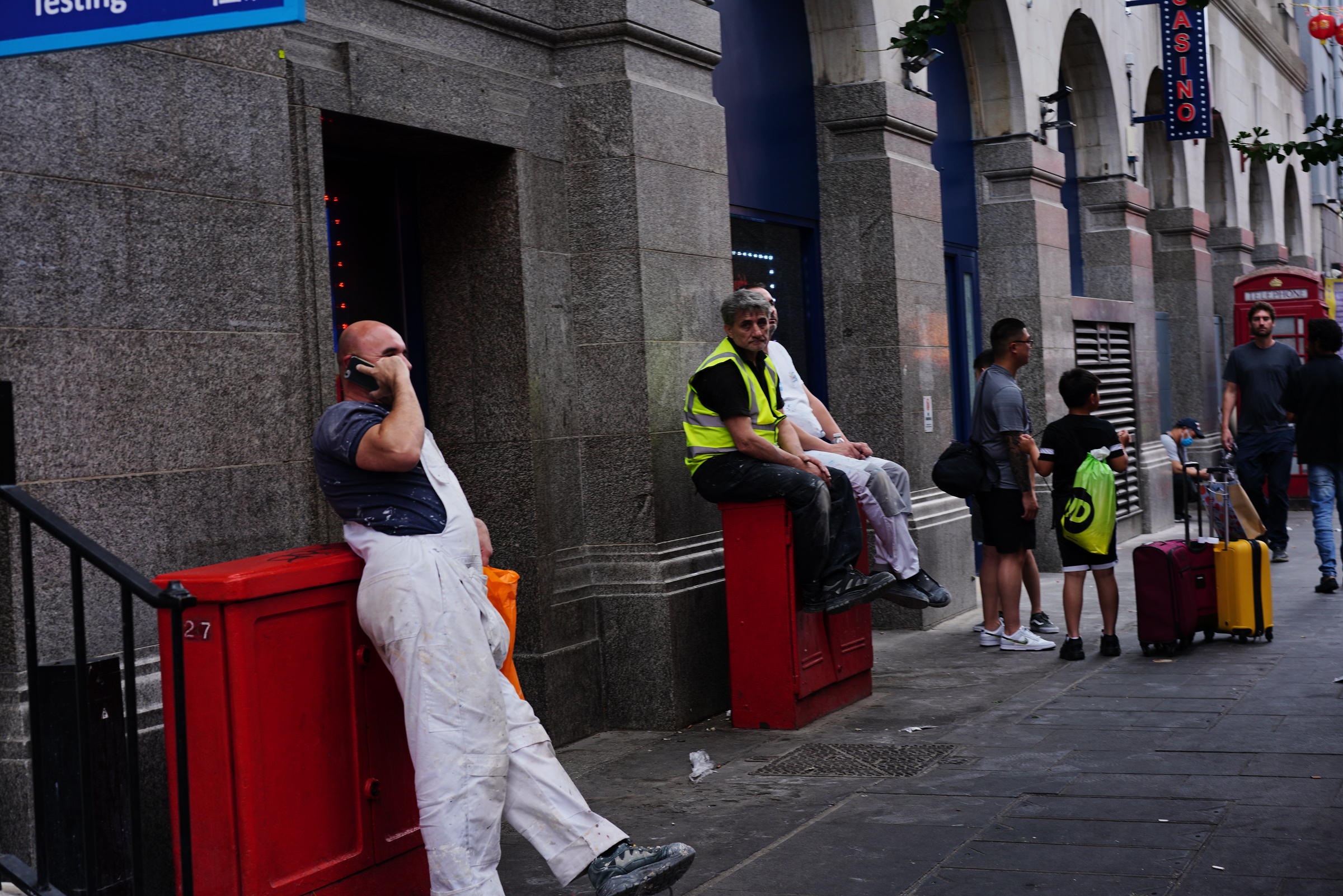
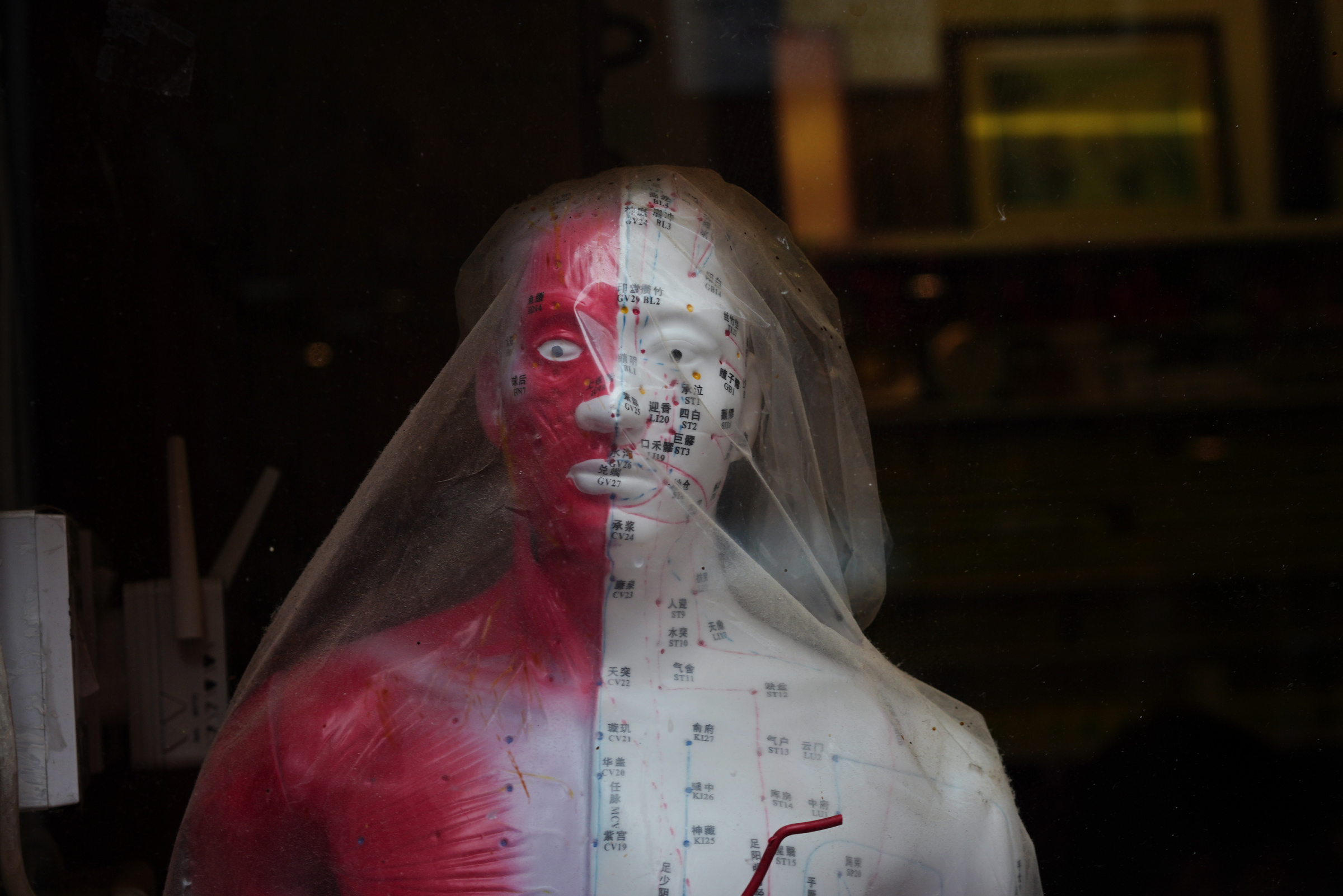
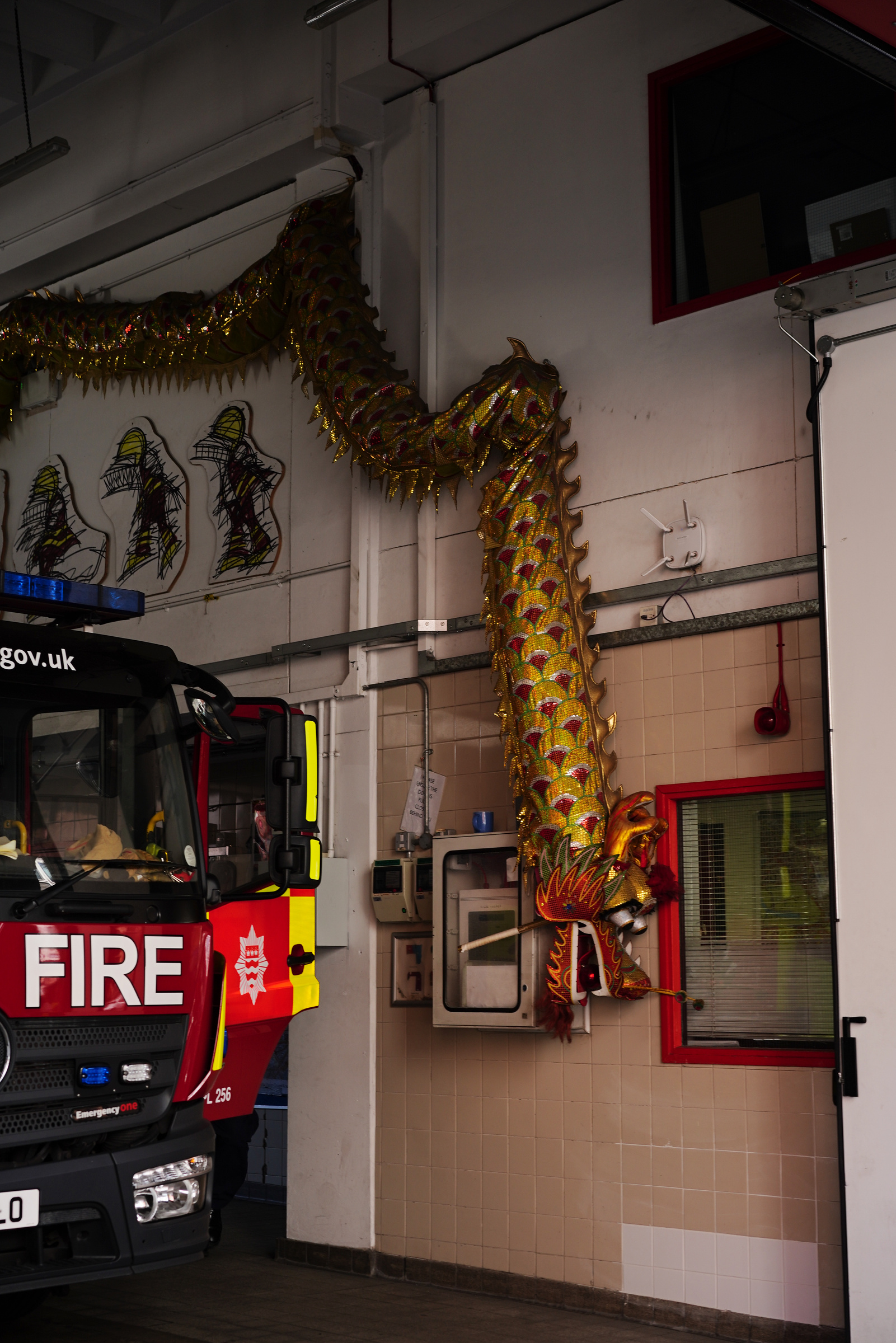
These photographs attend to the friction between a place and its recognisable image. Bodies interrupt the view; surfaces divide and return it. Repeated colours acquire different meanings through contact, while objects assume forms that their names and functions cannot entirely describe.3 Attention moves between cultural recognition and material presence, without settling into either. The camera shares in this uncertainty: every frame draws a boundary, gathering some relations and leaving others beyond sight.2
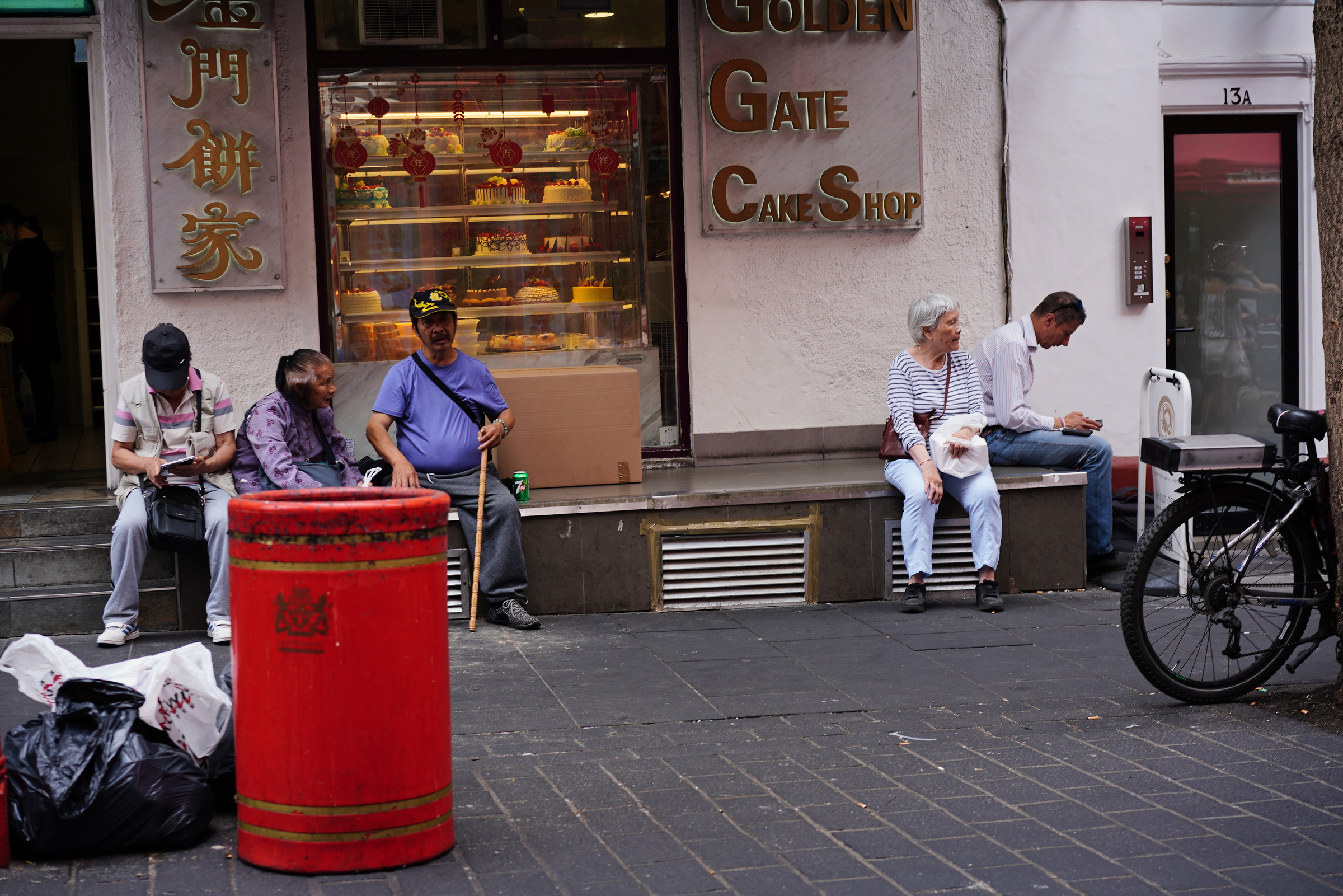
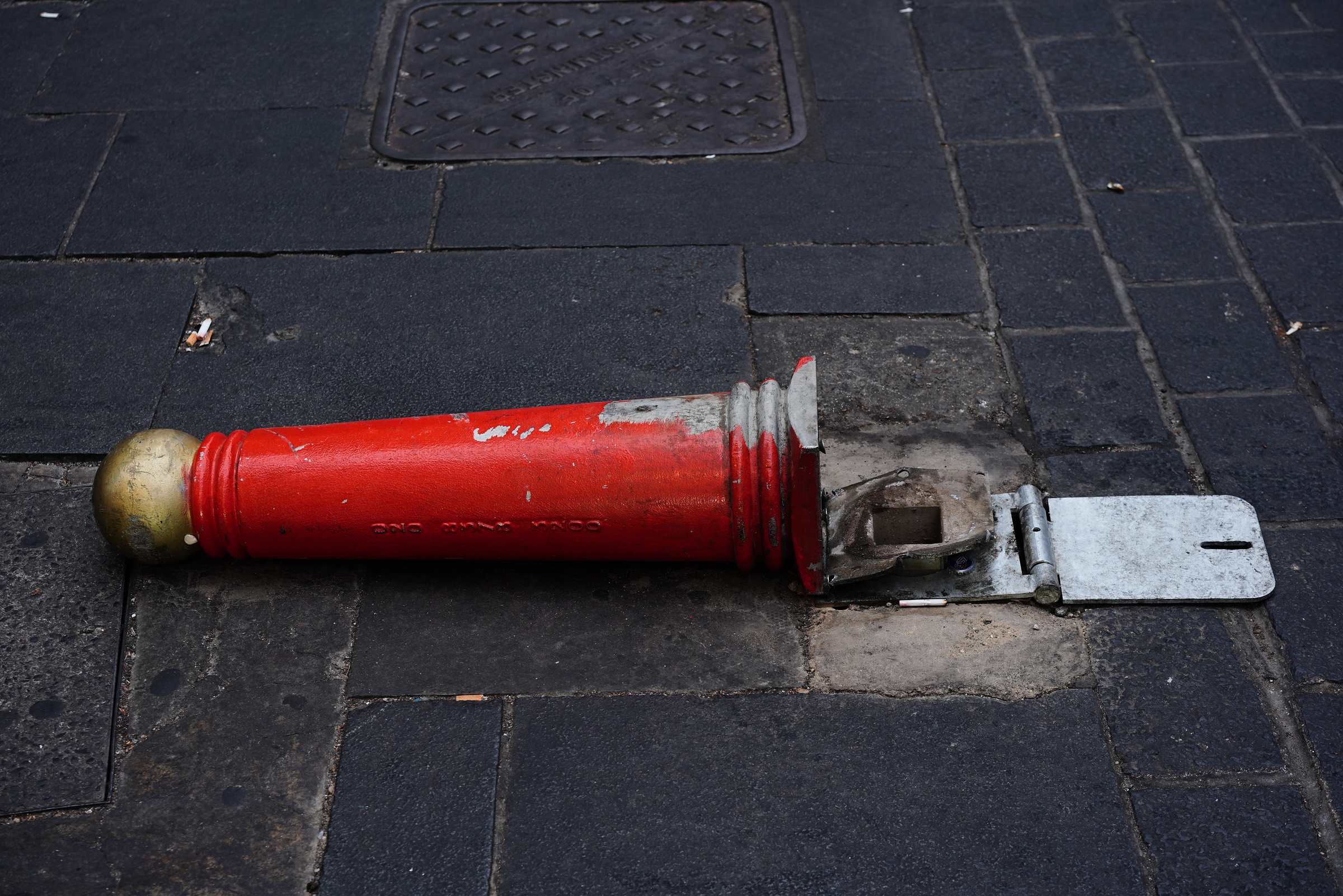
To recognise a place is to bring it within an existing order of knowledge. To remain with it is to encounter the limits of that order. After recognition, the familiar persists, but no longer holds everything together. A place continues through lives and uses for which its image has made insufficient room.
References
- Viktor Shklovsky, “Art, as Device”, translated by Alexandra Berlina, Poetics Today 36:3 (2015), pp. 161–163.
- Erika Balsom, “‘There Is No Such Thing as Documentary’: An Interview with Trinh T. Minh-ha”, Frieze, 1 November 2018.
- Gabriel Orozco, “On Photography”, Art21: Extended Play, 19 November 2008.