Futaba, Fukushima
2025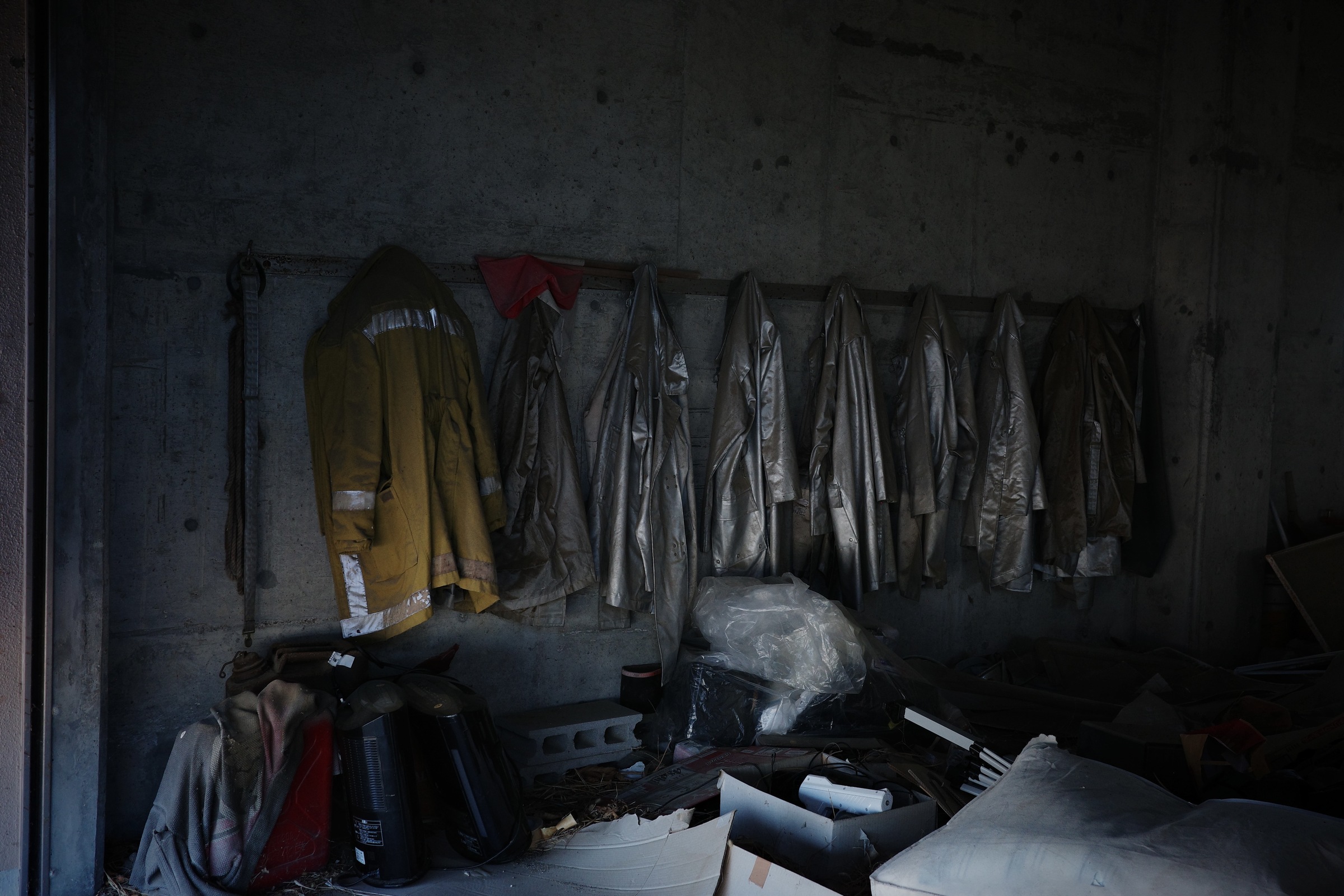
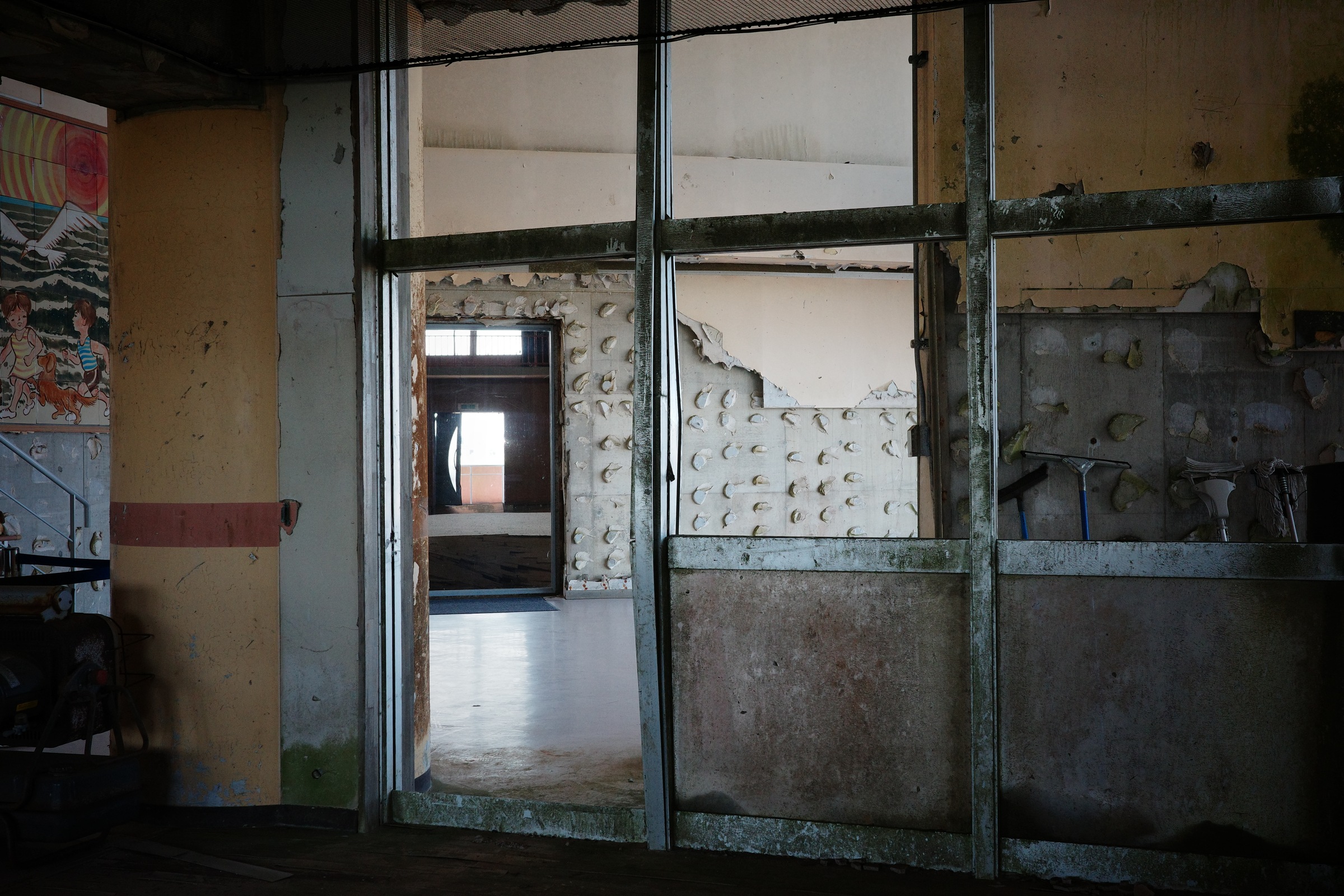
Life rests on an assurance that rarely needs to be spoken: tomorrow will continue. Before the future arrives, it has already been built into dwelling, labour and the recurring order of days, becoming the ground on which a life is planned. In 2011, the earthquake, tsunami and Fukushima Daiichi nuclear disaster forced the evacuation of the whole town of Futaba, severing that continuity. What remains still bears the directions in which life once moved. A future that did not arrive as expected persists in the present as a remnant.
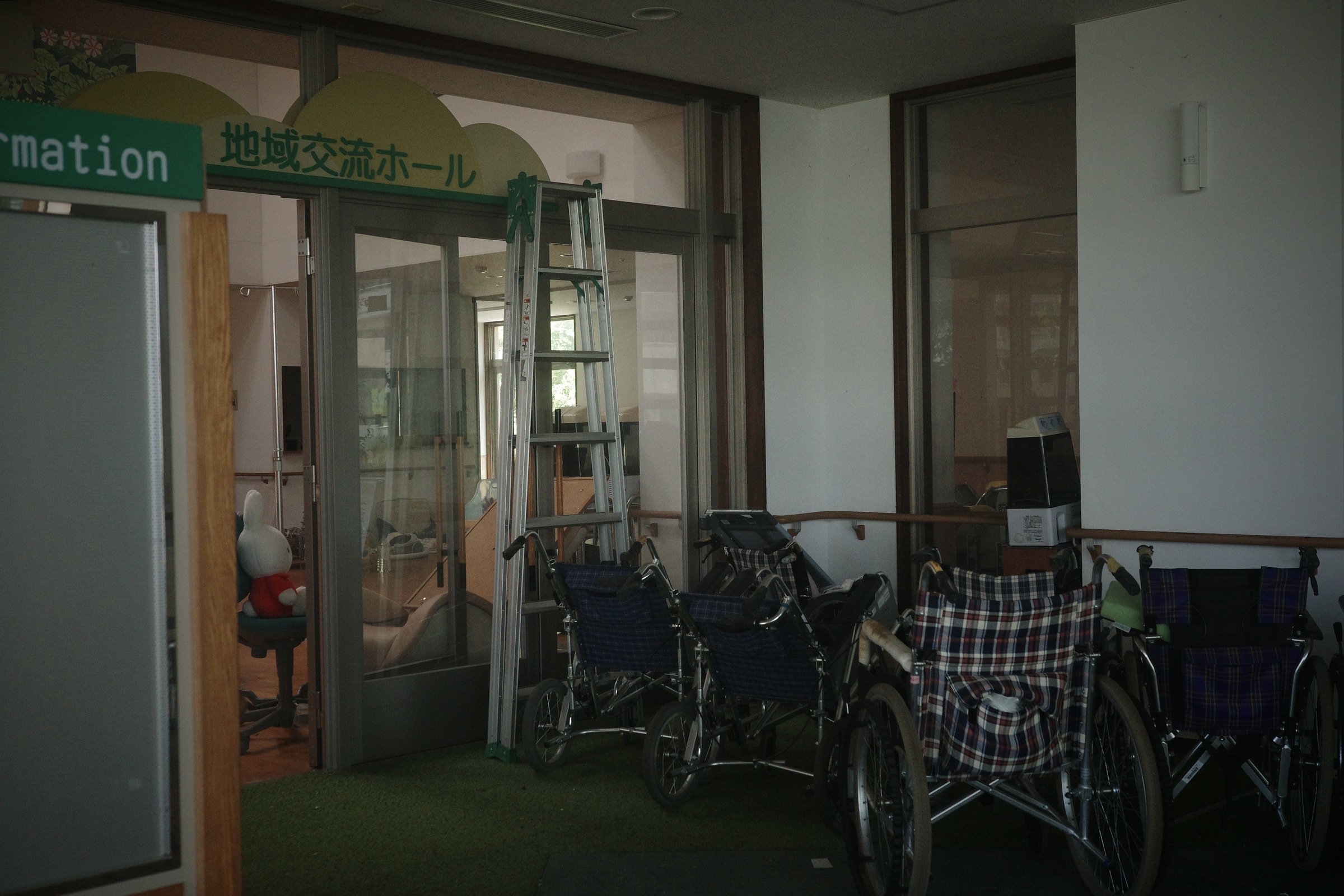
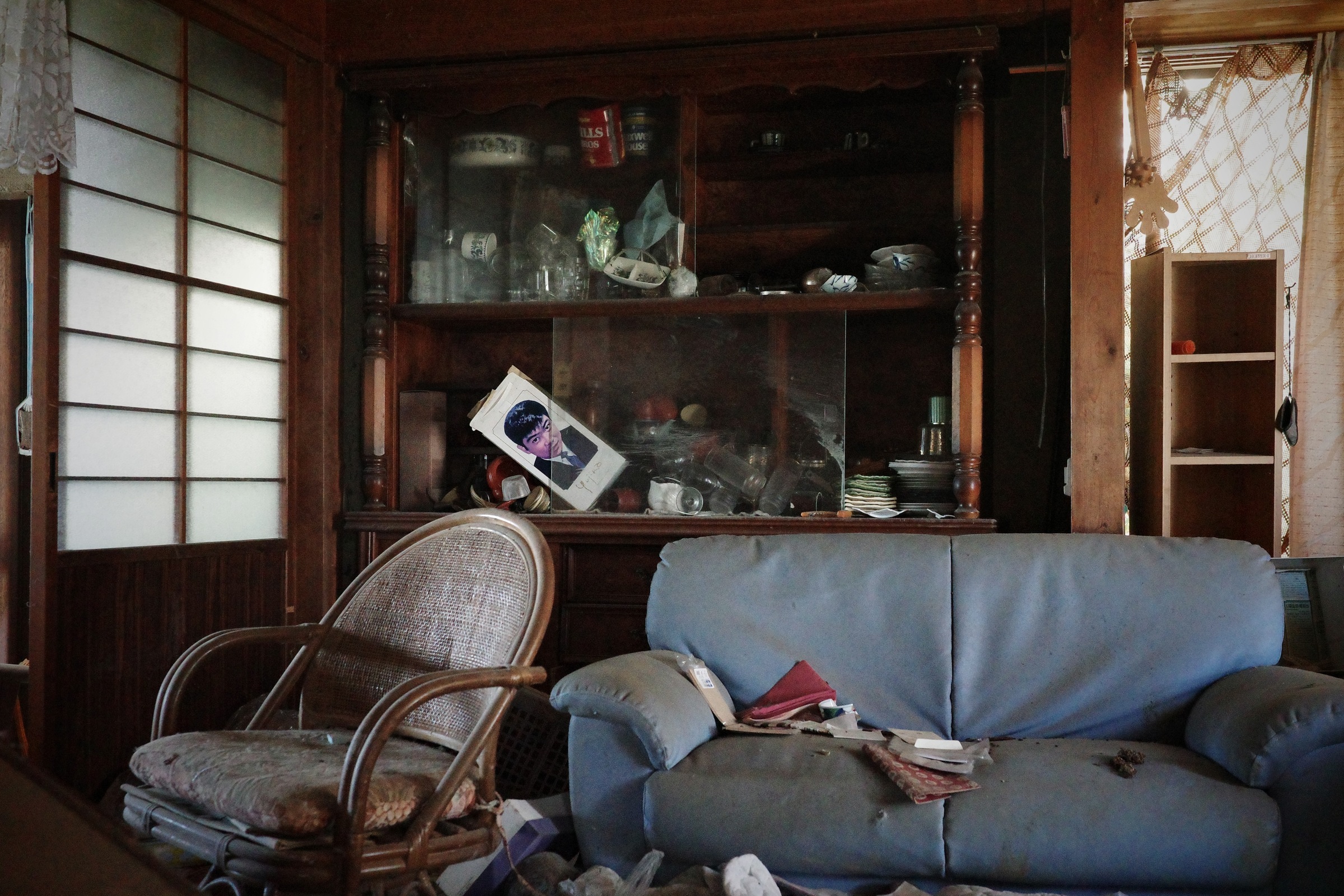
Catastrophe also changes the time that precedes it. After the accident, the conditions once understood as stability and progress must be read again: how the systems sustaining everyday life also allowed danger to accumulate and spread; what consequences a life called normal left to the years ahead. The past loses some of the certainty with which it could once be recalled. Before destruction occurred, the world already contained the relations that made it possible. They had yet to take the form of catastrophe.
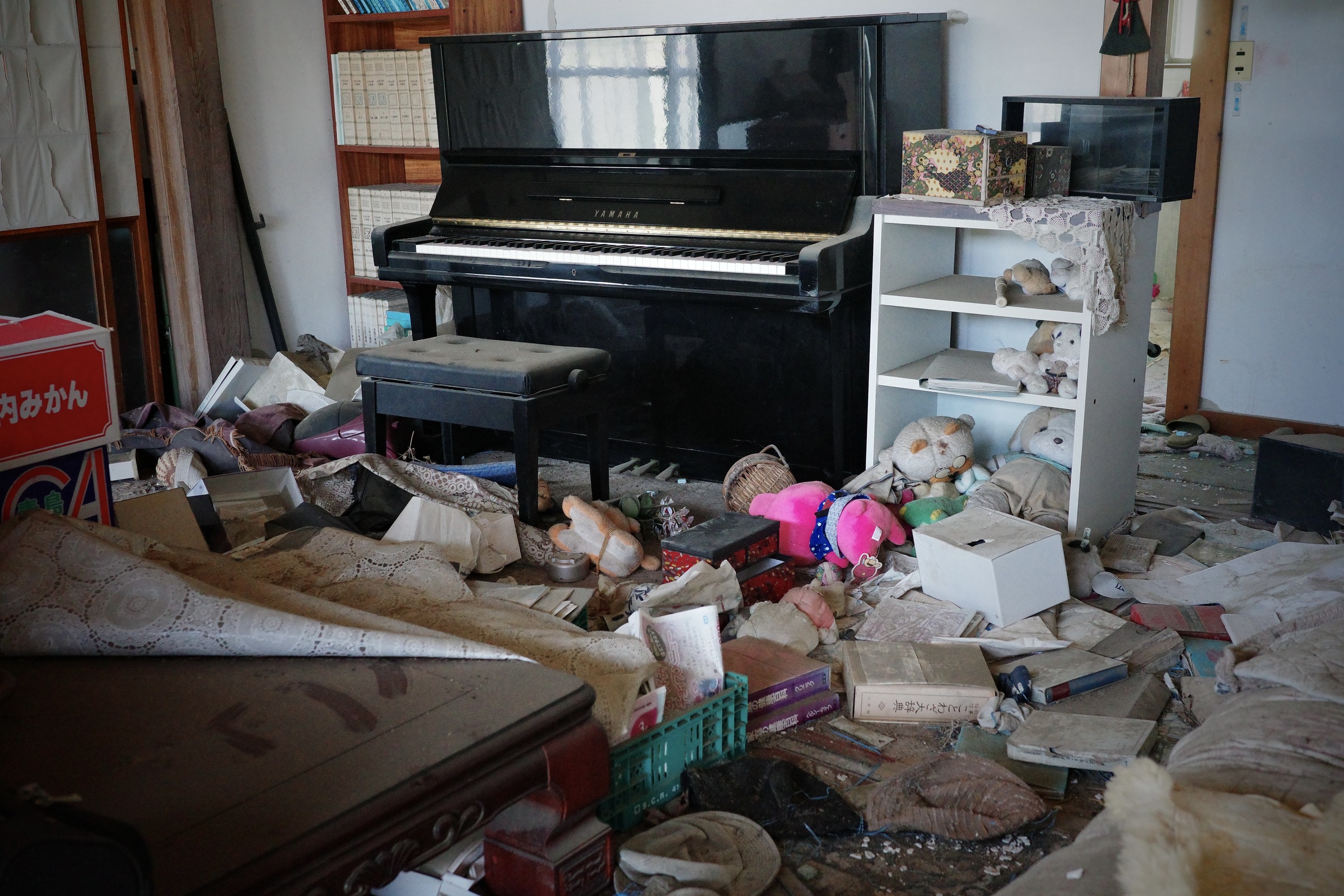
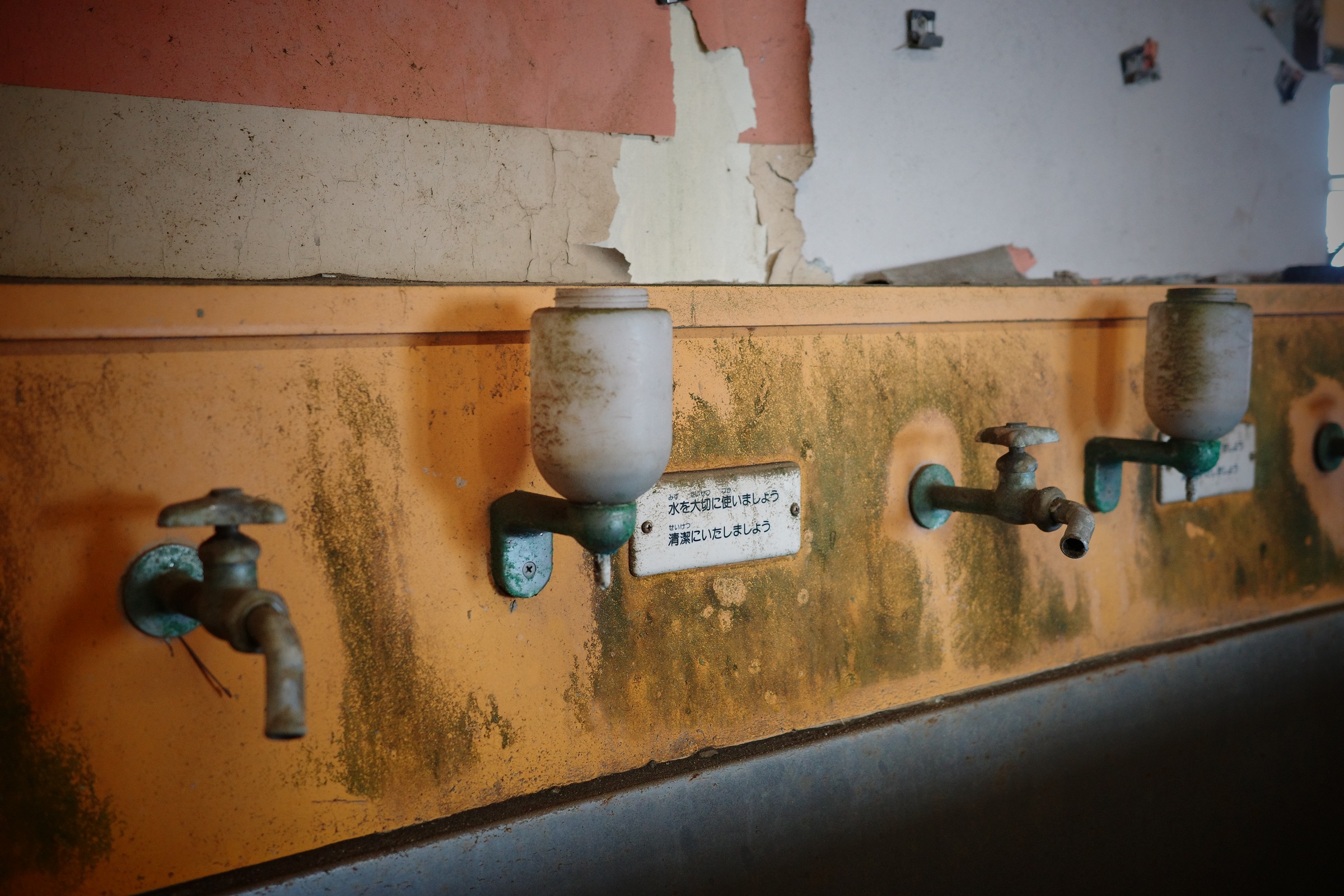
Nuclear disaster extends past decisions into the conditions of future lives. The persistence of contamination, the years of displacement, the schedules of reconstruction and the remainder of a human life unfold along different durations. They cannot end on the same day. A future described as shared does not mean that everyone took part in choosing it; its consequences can nevertheless enter another person’s life without their consent. For some, the event gradually becomes history. For others, it continues to determine how life can proceed. The passage of time does not grant these lives the same distance.
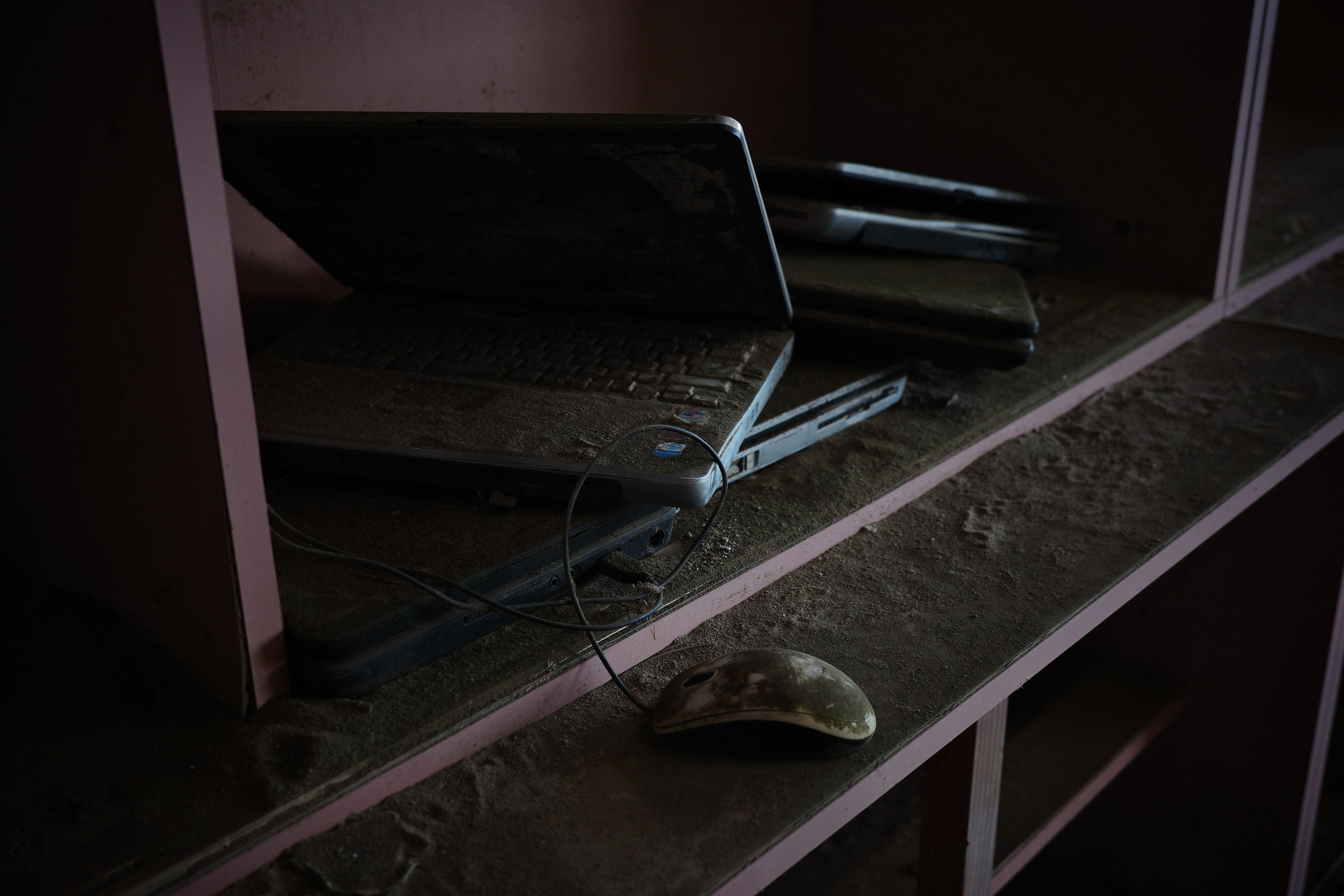
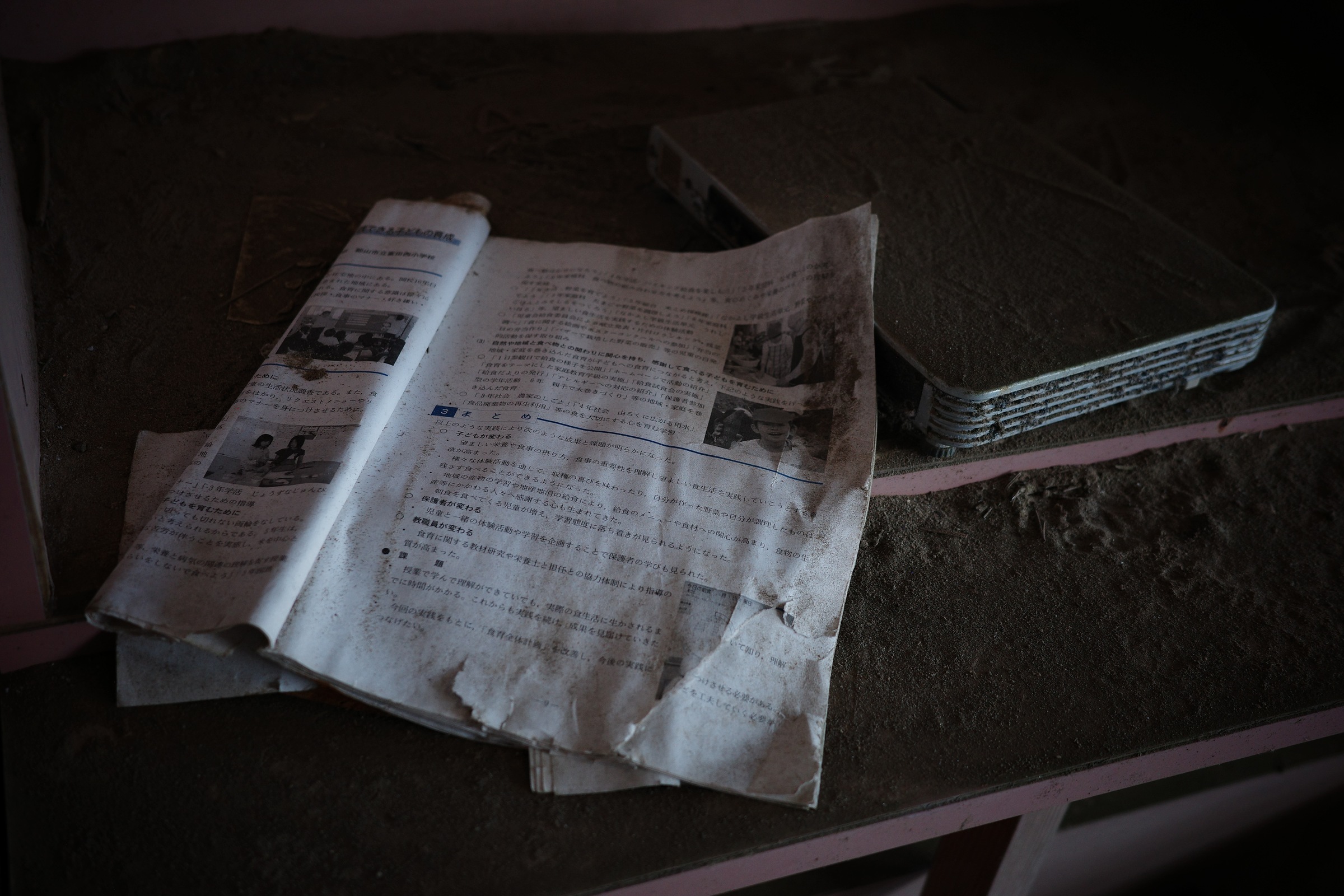
Reconstruction opens possibilities for life again; commemoration preserves a place for loss. Both also help to establish what belongs to the past and what remains in the present. Given a clear date, a boundary and an image, catastrophe becomes easier to place elsewhere, in another age. A remnant can warn of a future yet to come, or assure the viewer that they stand outside the disaster. Remembering a catastrophe does not in itself mean recognising that the conditions which made it possible may still exist within one’s own world.
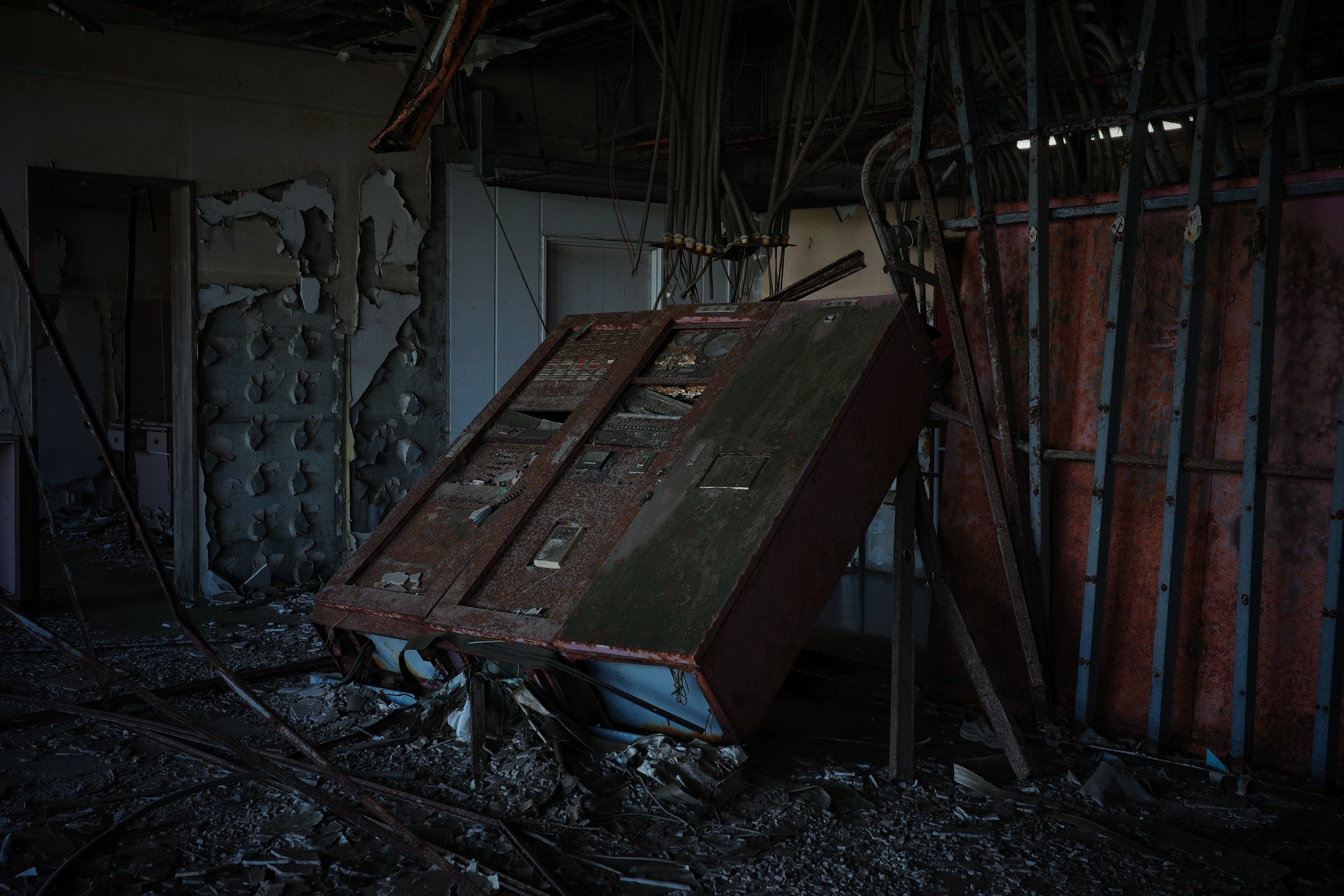
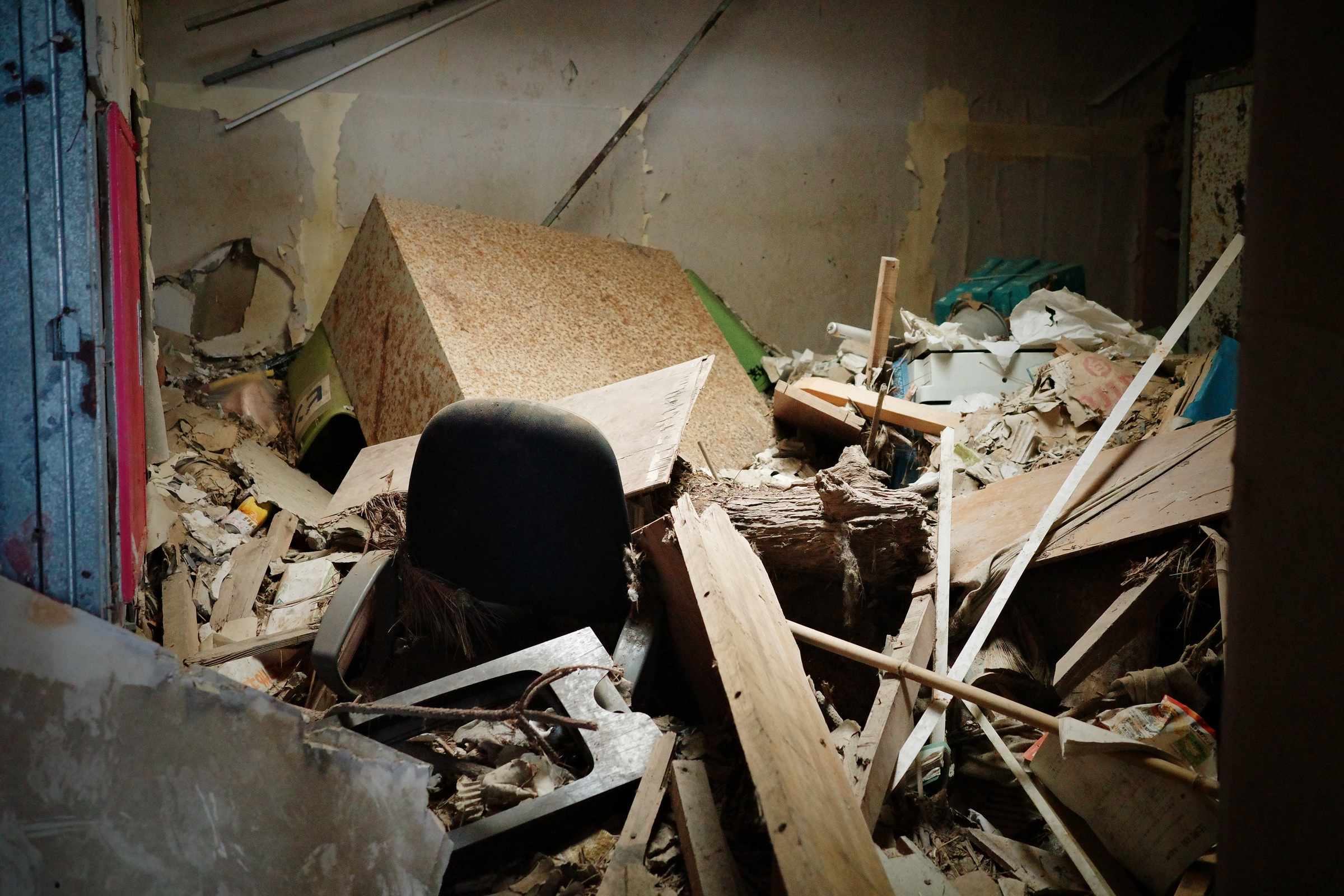
Photography participates in the making of this distance. Enclosing an ongoing condition within a complete image can make it available to contemplation, and to departure. In these photographs of Futaba, the order of daily life remains recognisable, yet the gaze cannot follow it towards the tomorrow once anticipated. Familiar forms remain alongside a continuity that could not be fulfilled, preventing the past from settling safely behind us. The stillness here holds several times that cannot coincide.
“Again” holds the wish to live anew, together with a vigilance towards repetition. Return, repair and beginning again must find their bearings in a world where the past remains active. The future will emerge from these unfinished relations. The question passes into individual lives: who can leave catastrophe behind, whose future must continue to bear it, and who has the authority to decide that it has all become the past.