Syria & Lebanon
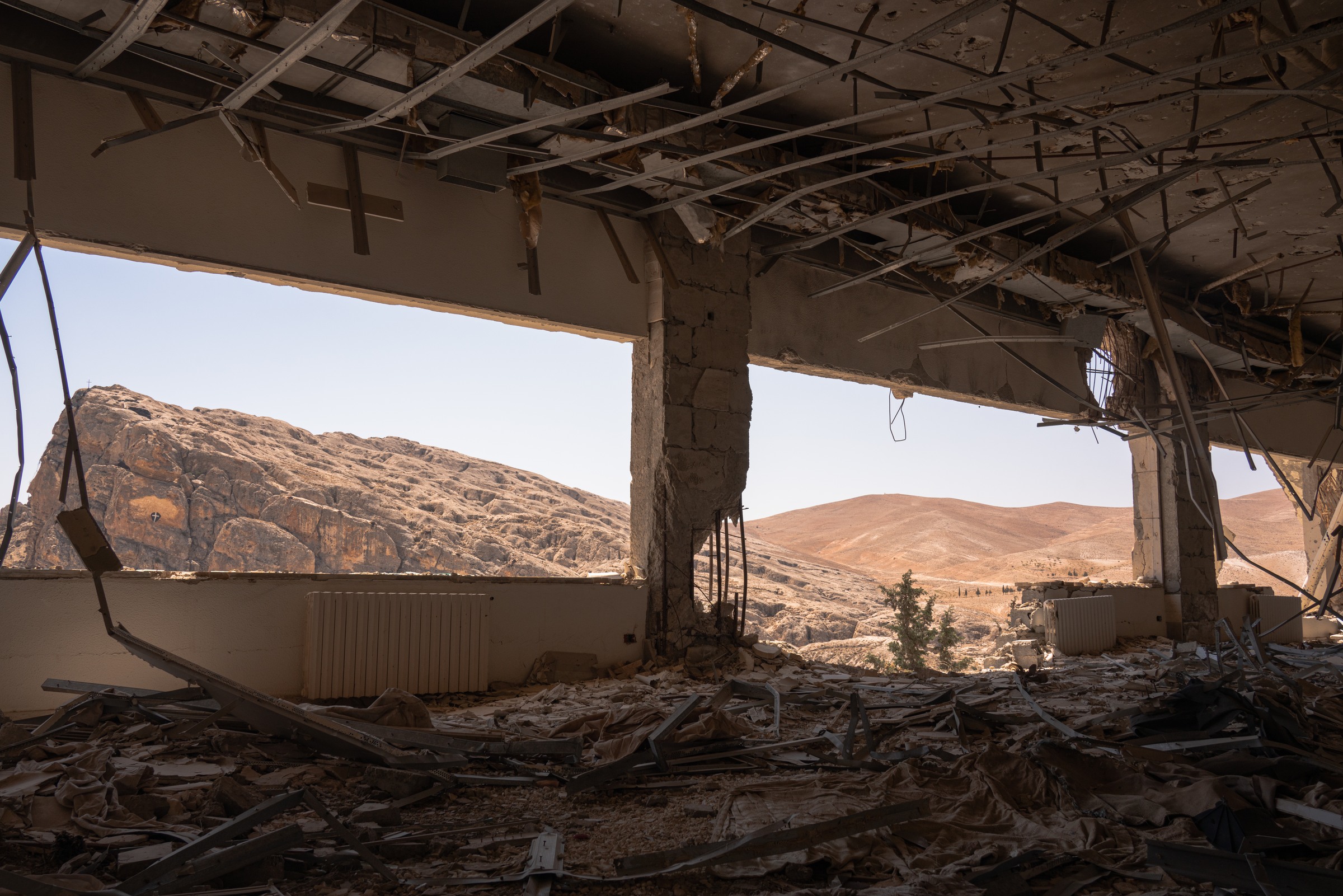
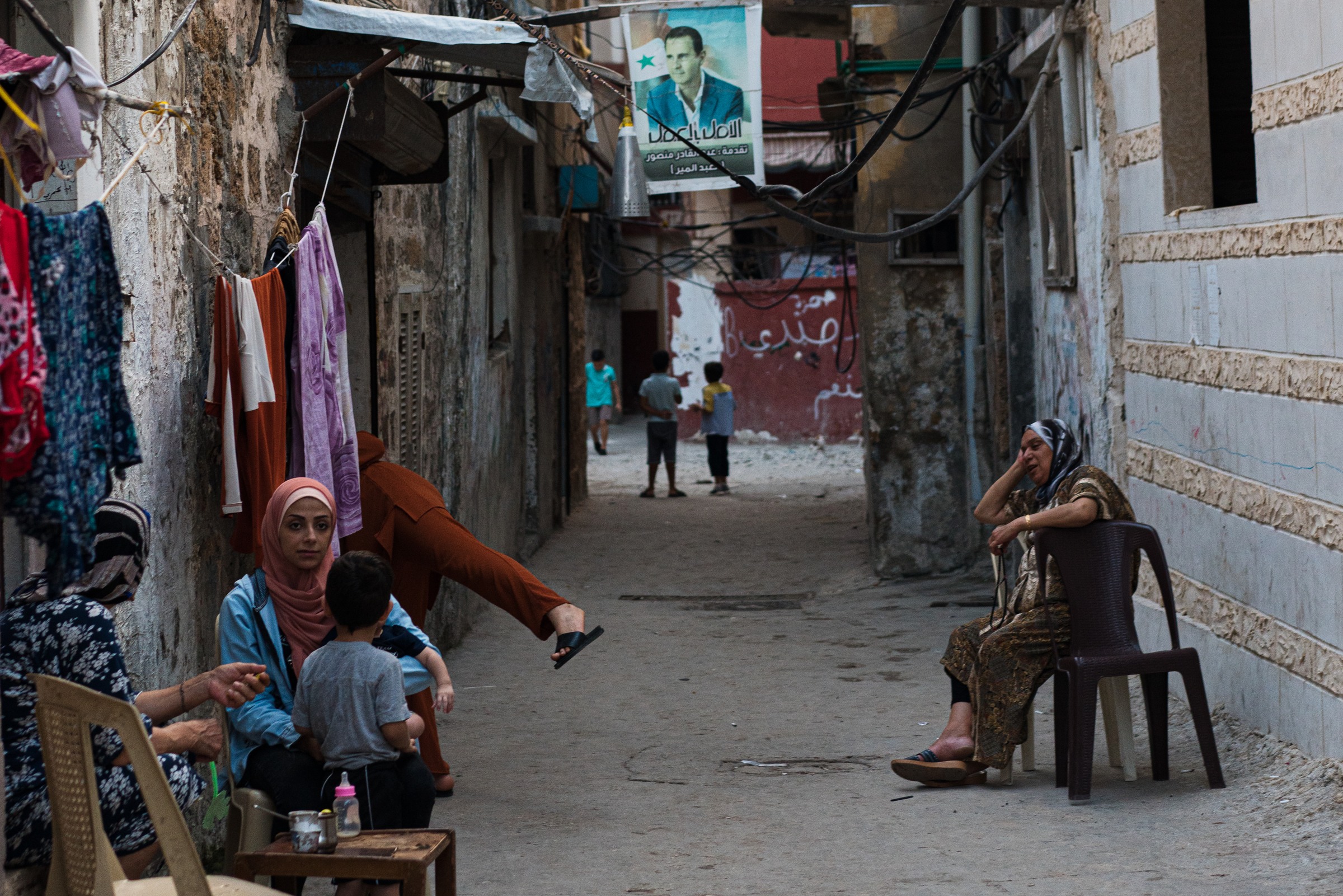
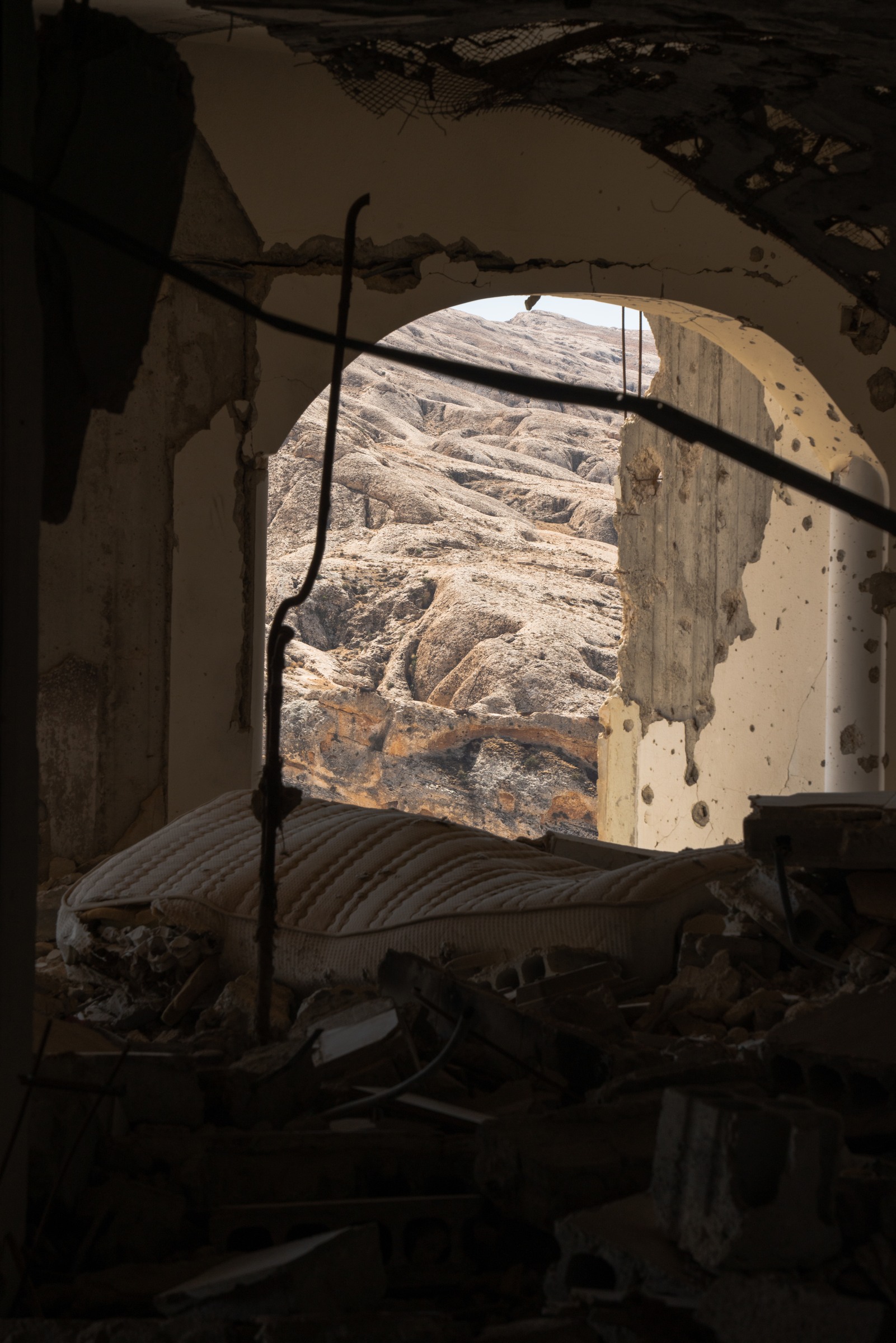
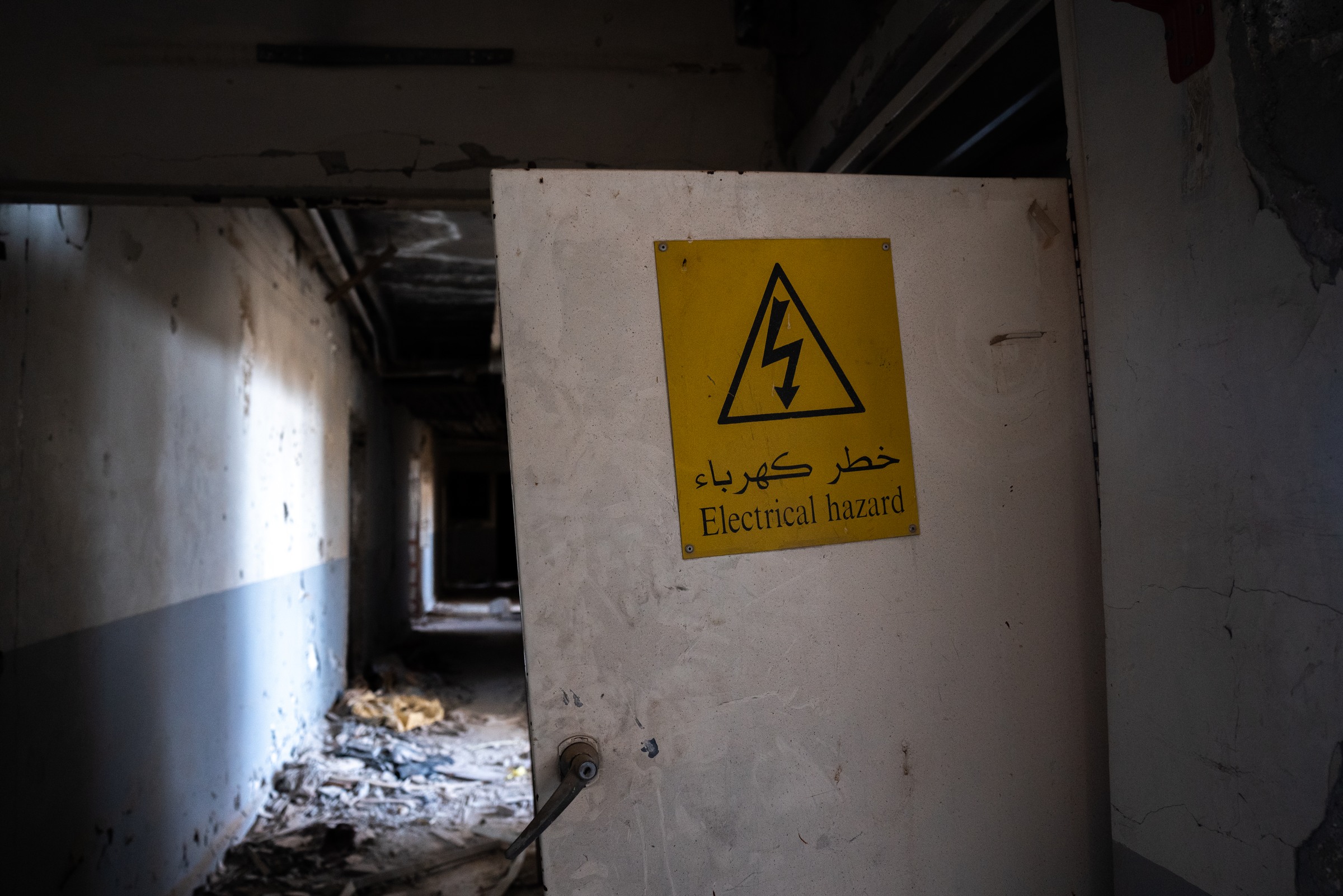
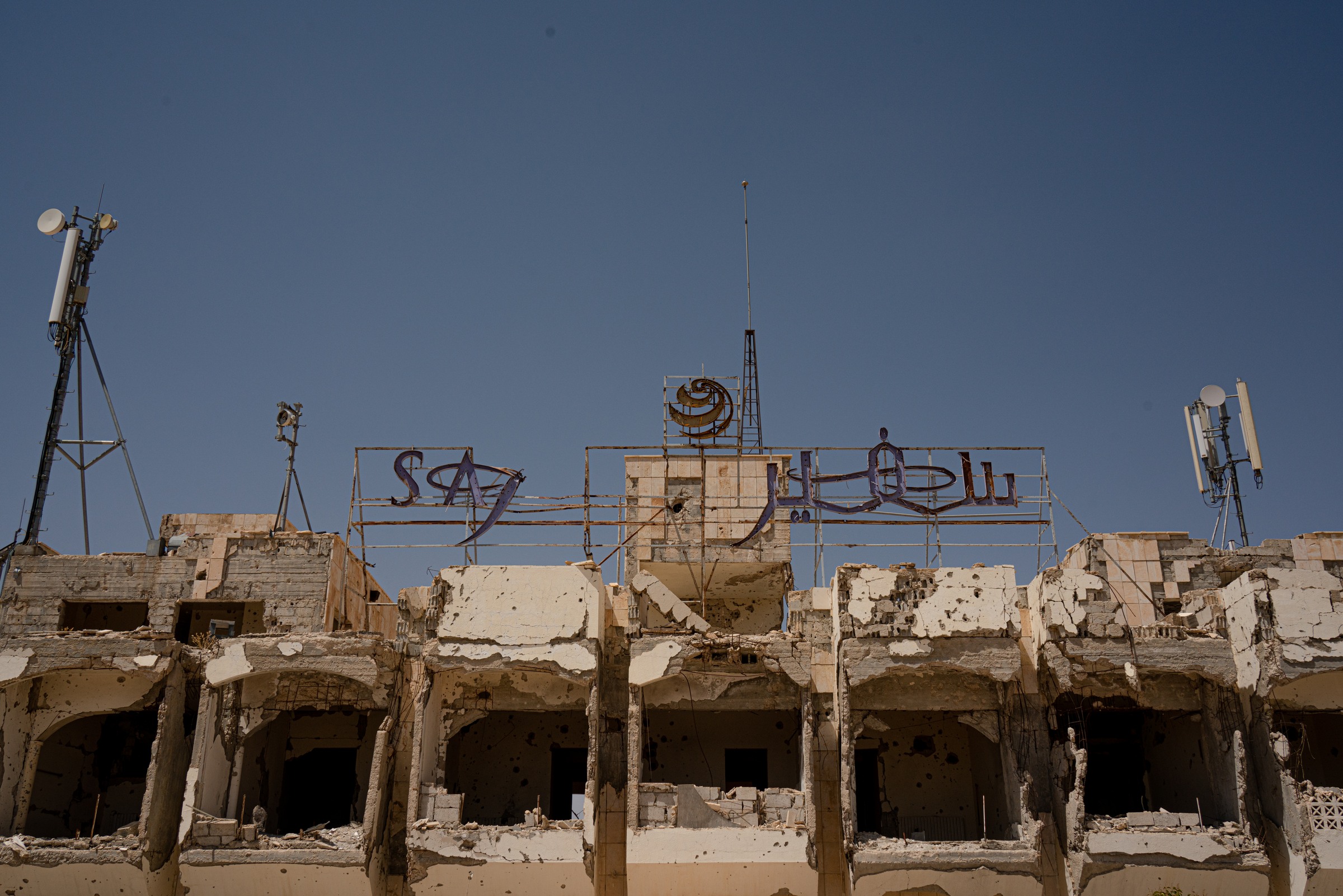
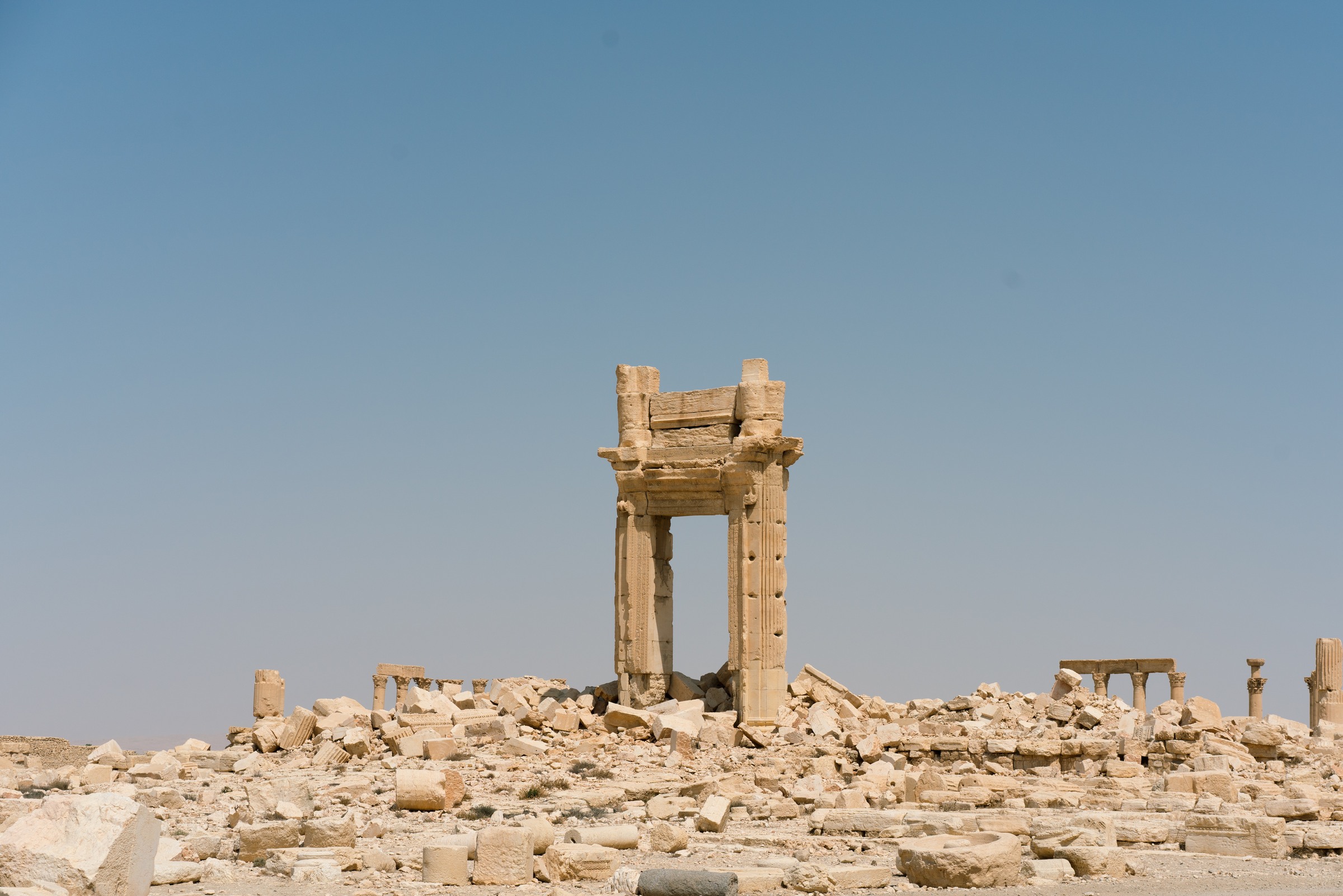
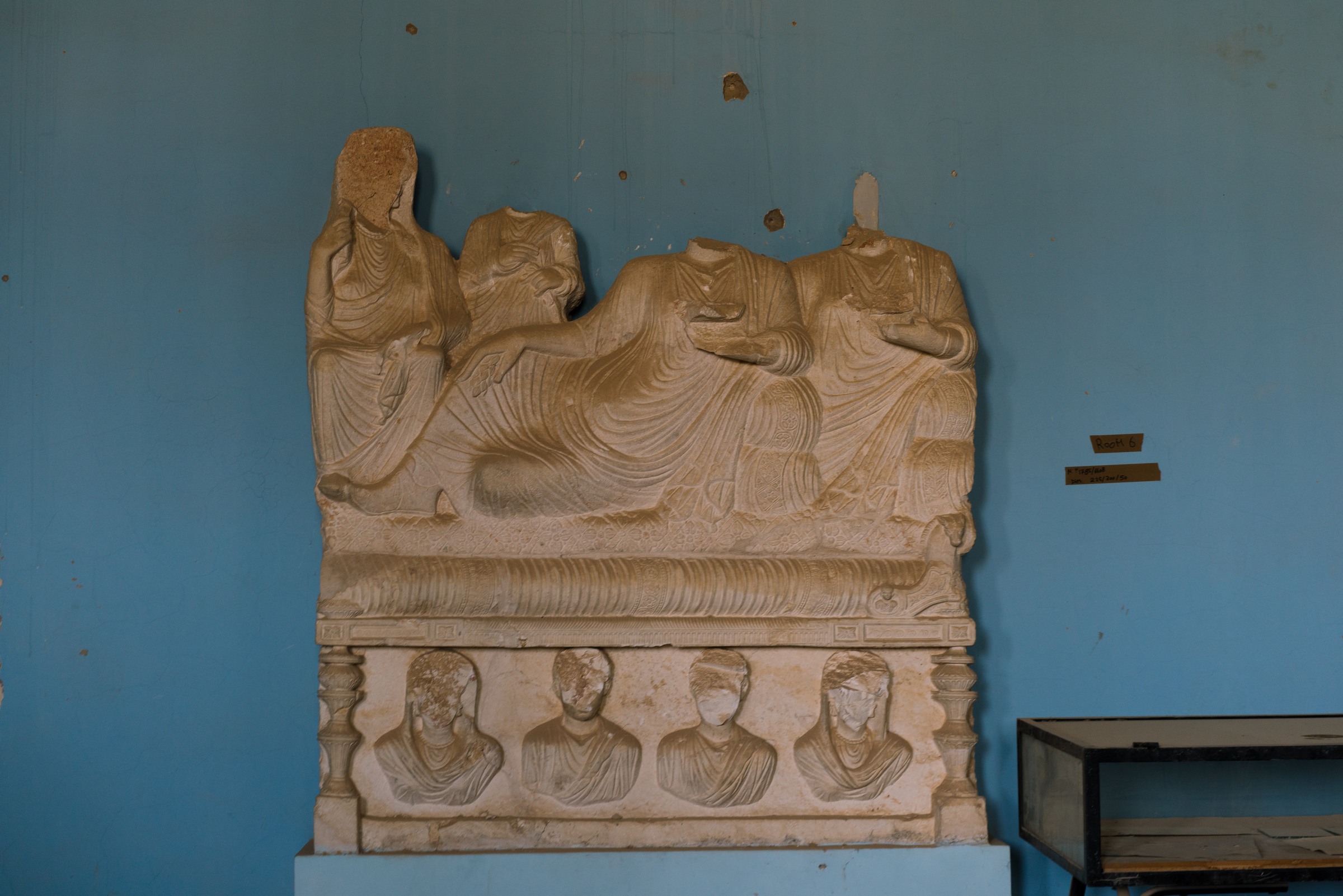
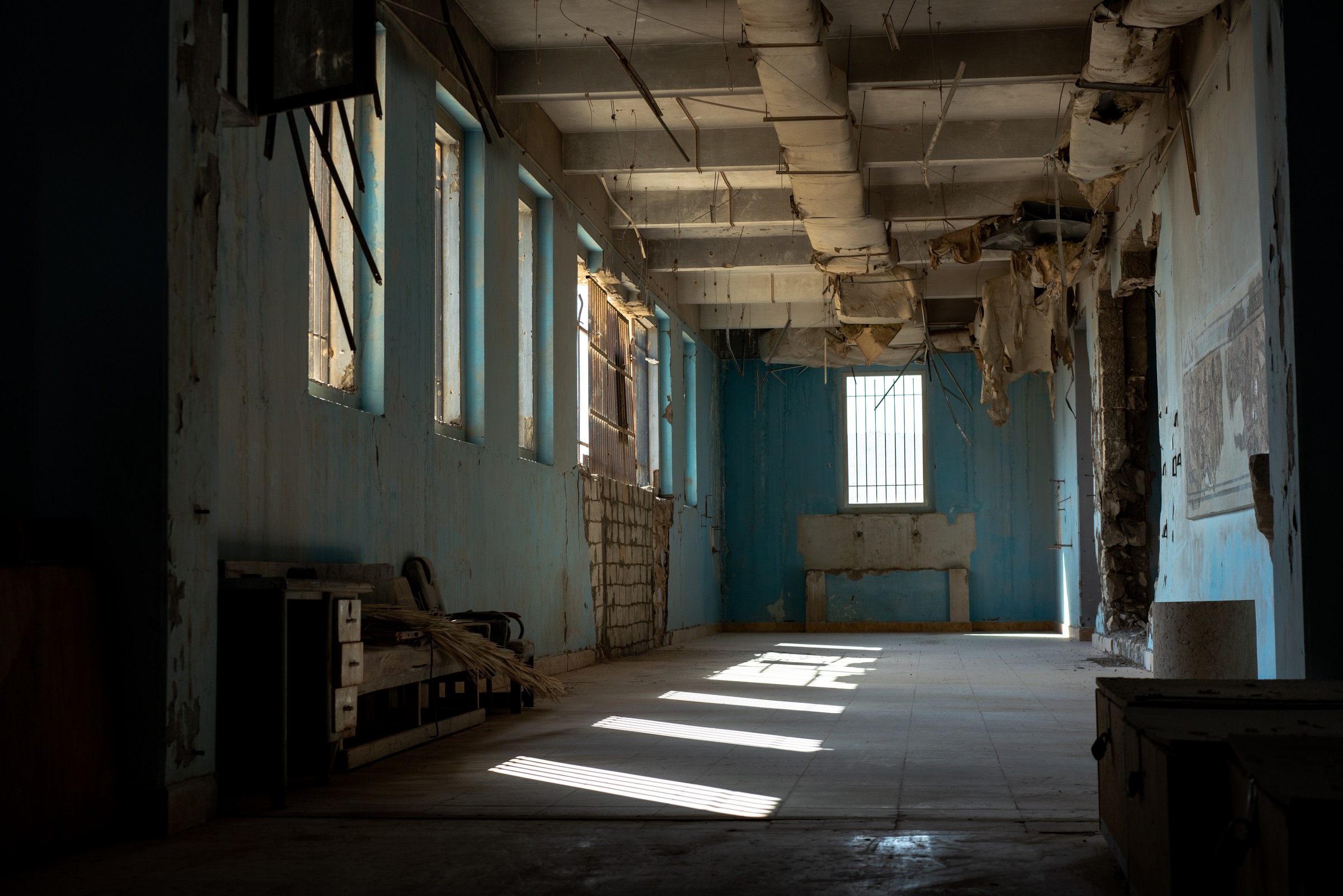
2022Destruction does not give a place a settled past. Within the same space, lives not yet realised, lives forcibly interrupted, and lives still unfolding overlap. A building may remain standing, yet its appearance cannot tell us what it has endured, or what continues to take place within it.
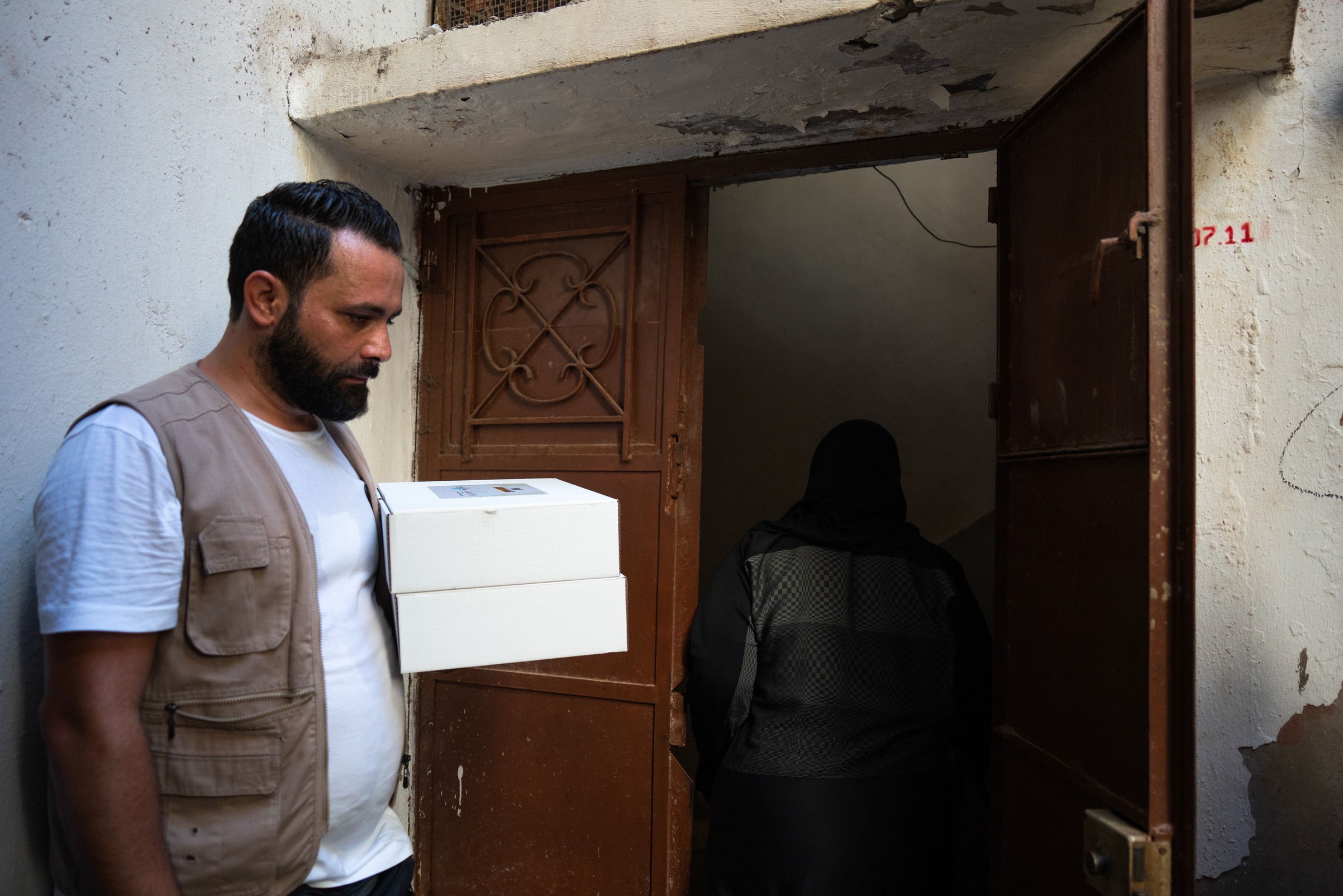
To call a place a ruin is often to establish a distance from it. For those who continue to inhabit it, destruction may still shape the conditions of dwelling, the routes a body can take, and the limits of each attempt to begin again. The continuation of life does not consign violence to the past.1
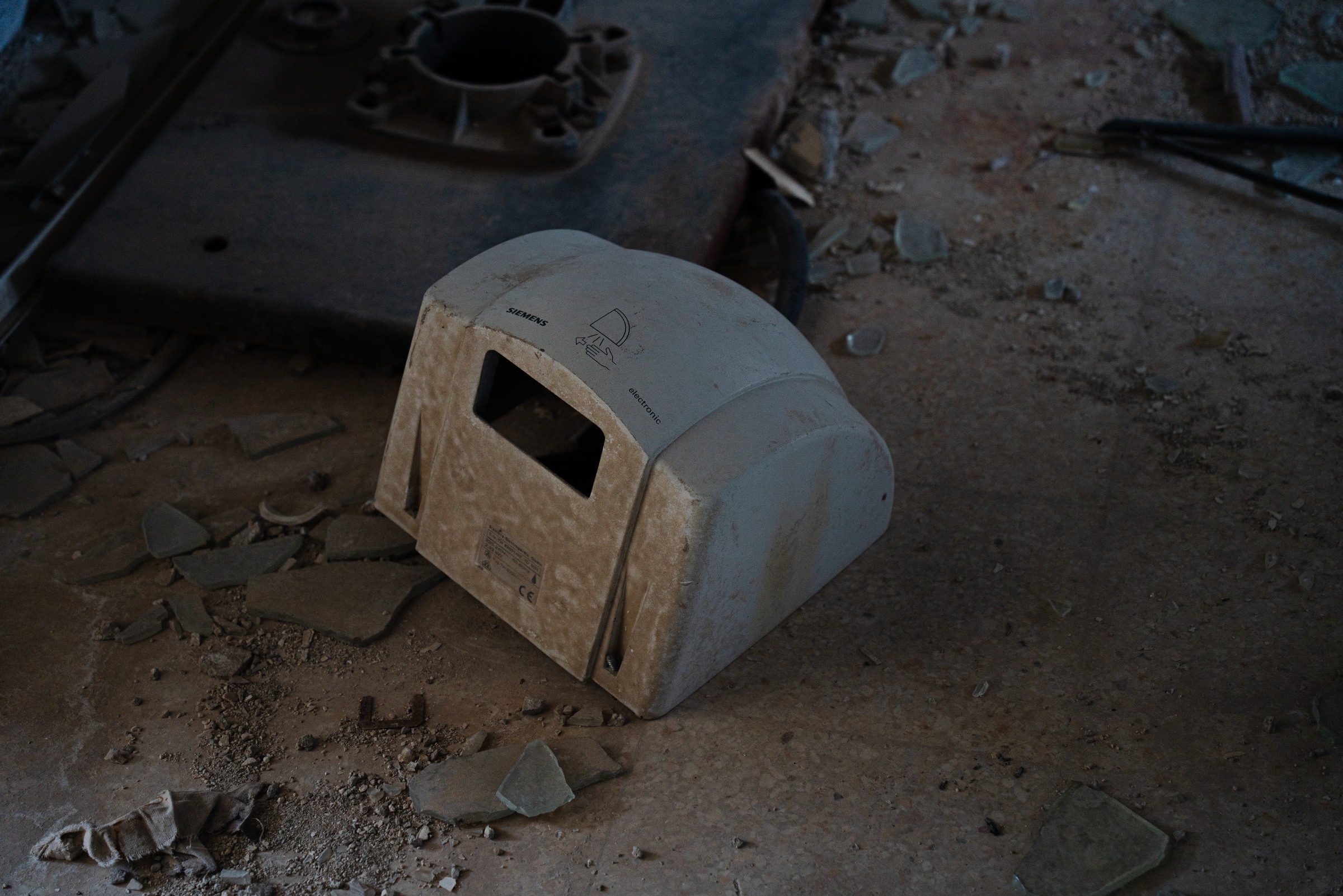
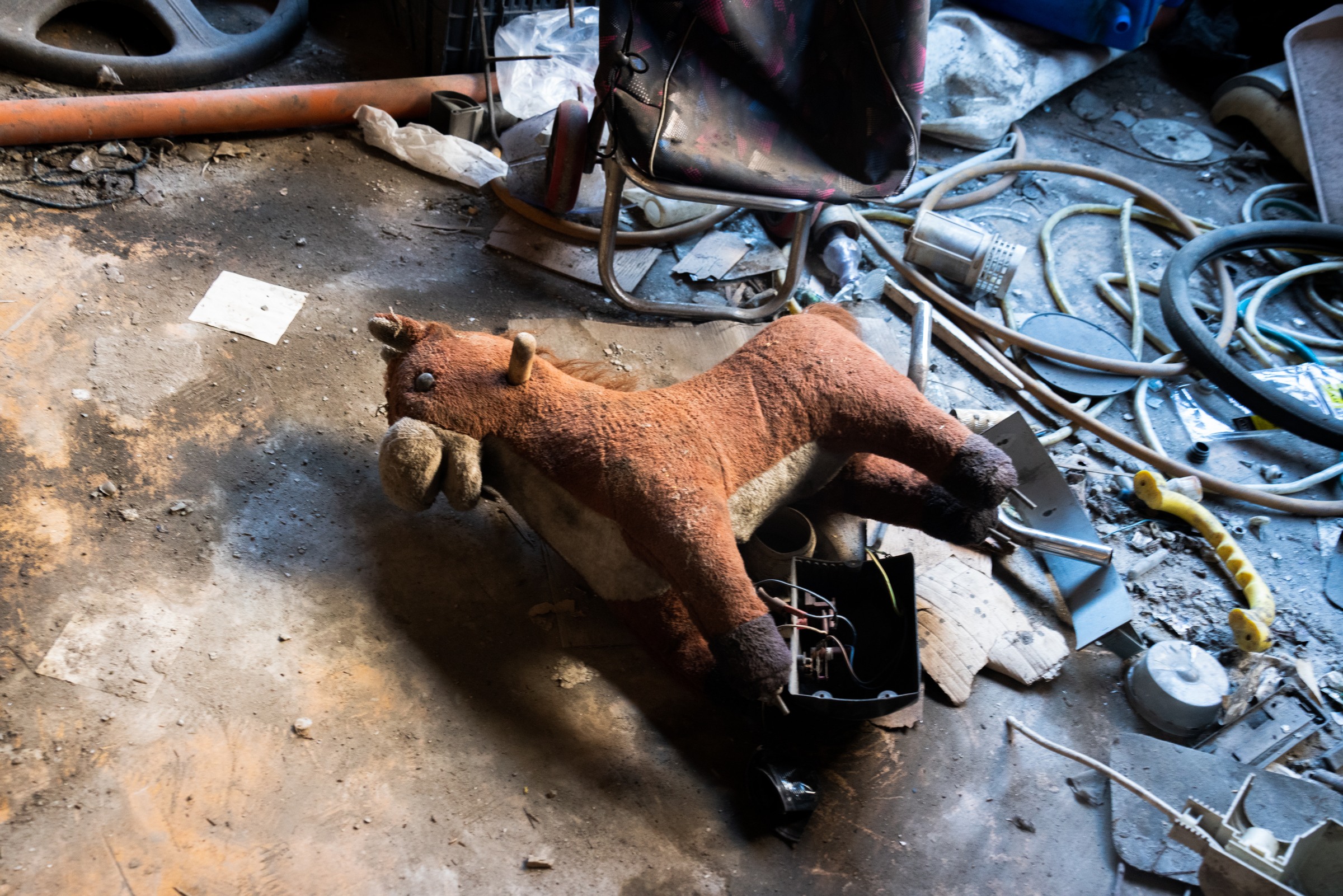
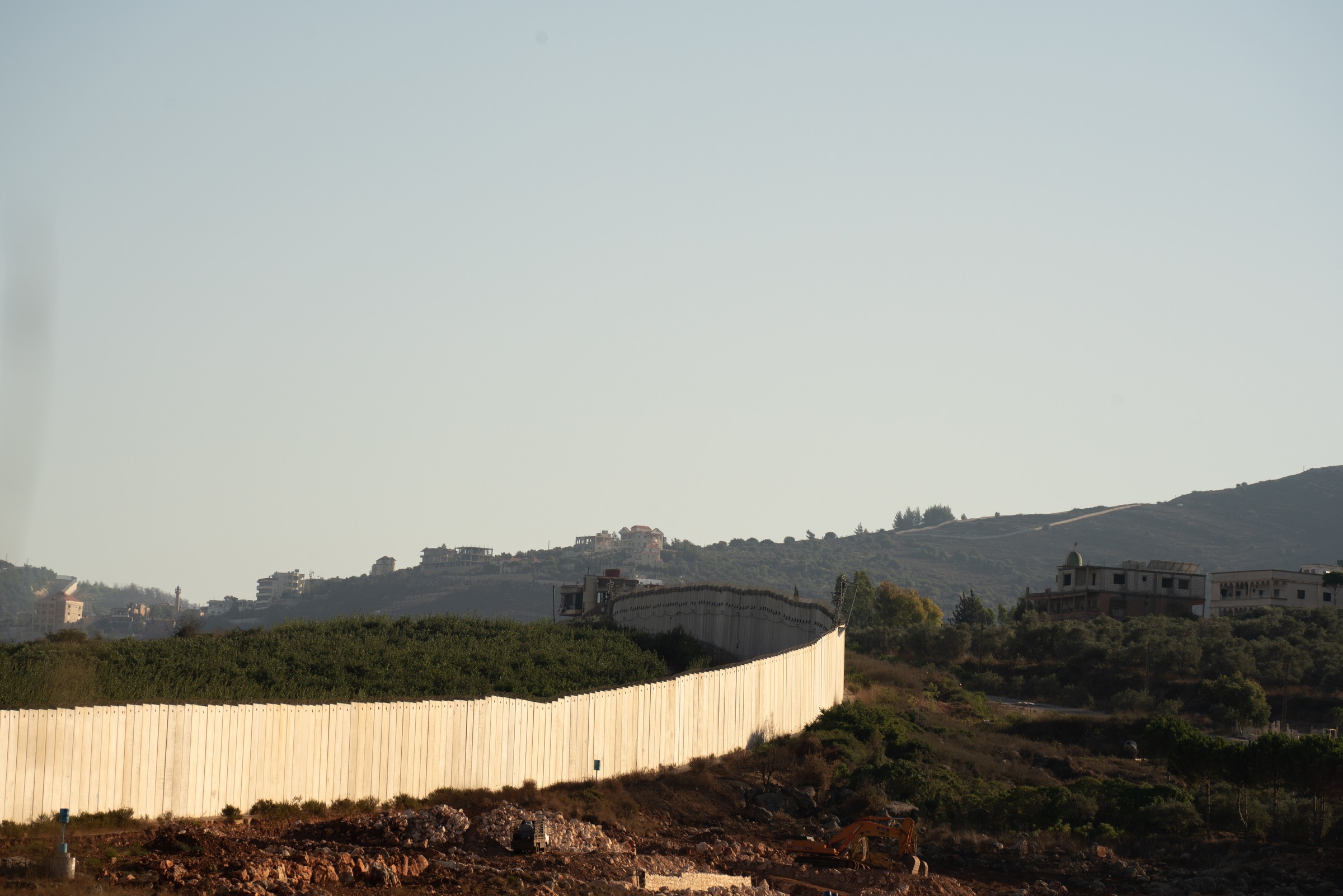
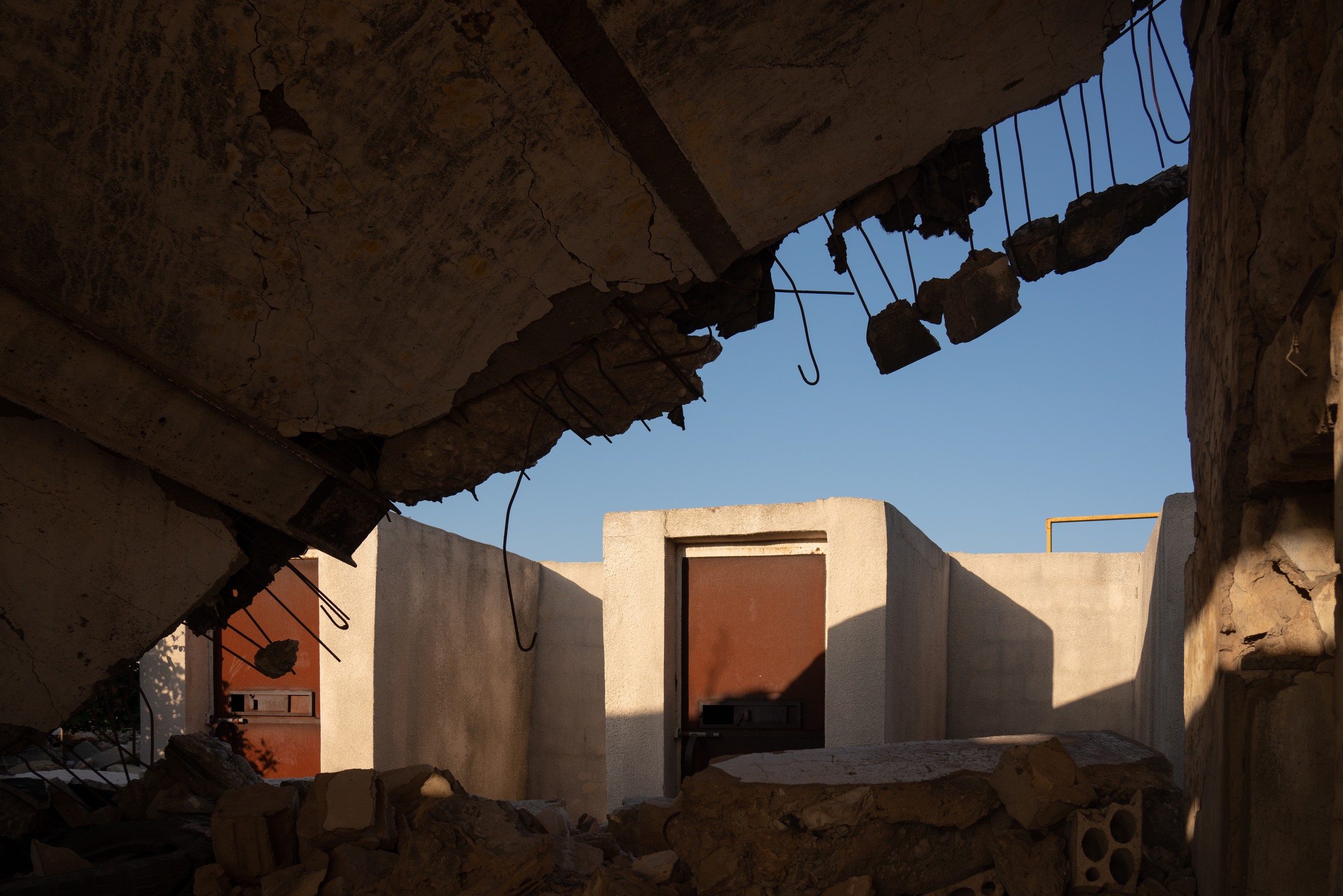
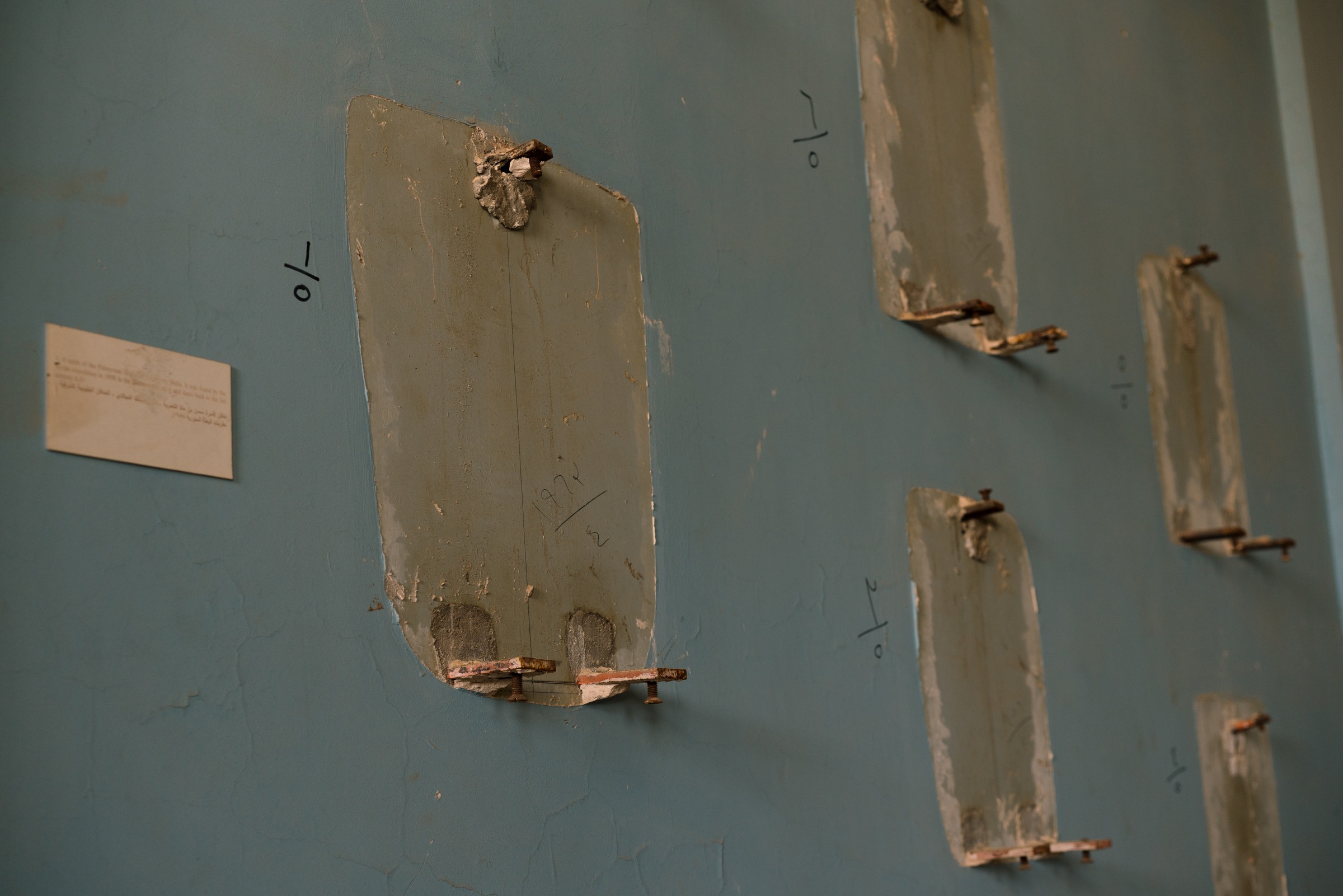
These photographs remain where that distance cannot be secured. Historical remains and present wounds occupy the same surfaces; the order of the image presses against an unresolved reality.2 A frame can give destruction a coherence that life within it does not possess. Photography can hold a form in place. It cannot declare that what it records is over.
References
- Veena Das, Life and Words: Violence and the Descent into the Ordinary. University of California Press.
- Sophie Ristelhueber, Fait, 1992. Museum of Modern Art.