Beijing
2020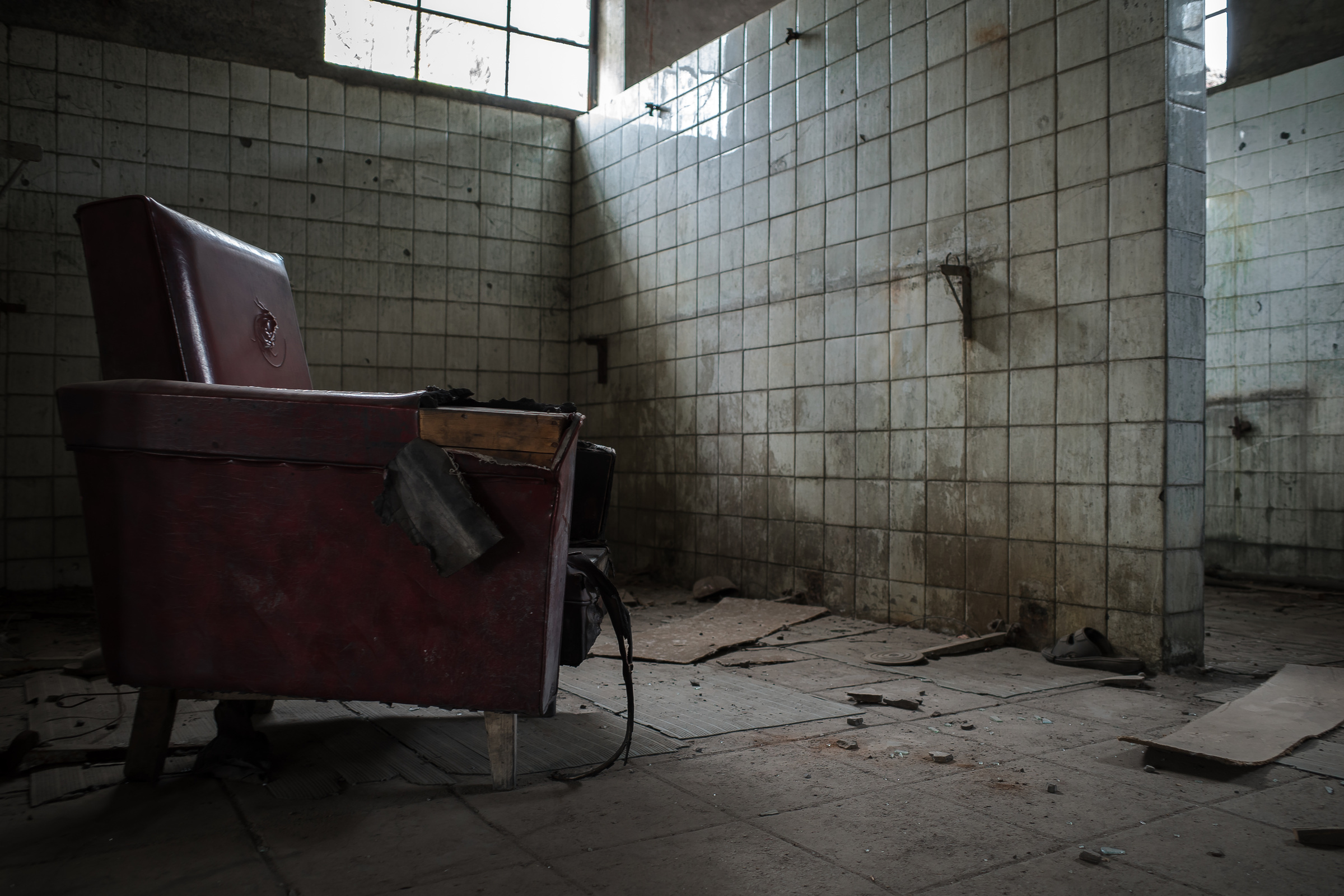
The city continually renews itself, and continually produces a past of its own. Some spaces are removed from the narrative of the present before they have disappeared. They coexist with prosperity, yet seem to belong to an age no longer acknowledged. Decay continues, while time appears to stand still. Here, change and progress cease to mean the same thing.1
Amnesia was photographed in abandoned spaces in Beijing. I encounter times I have never lived through. They take material form before me, distinct yet remote. To enter these spaces is not to gain access to their past. The more closely I look, the more I feel the unbridgeable distance between what remains and the lives once lived there.
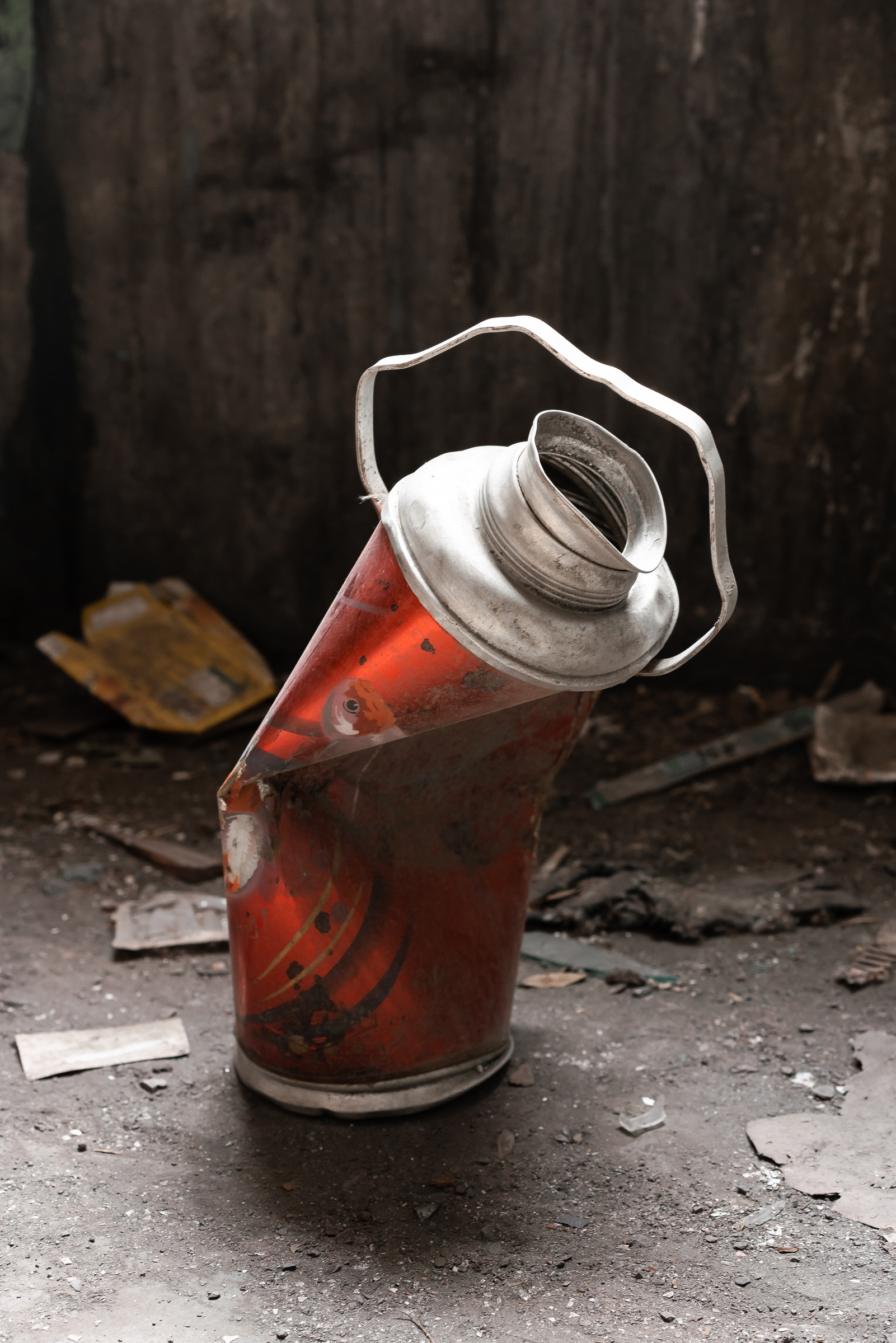
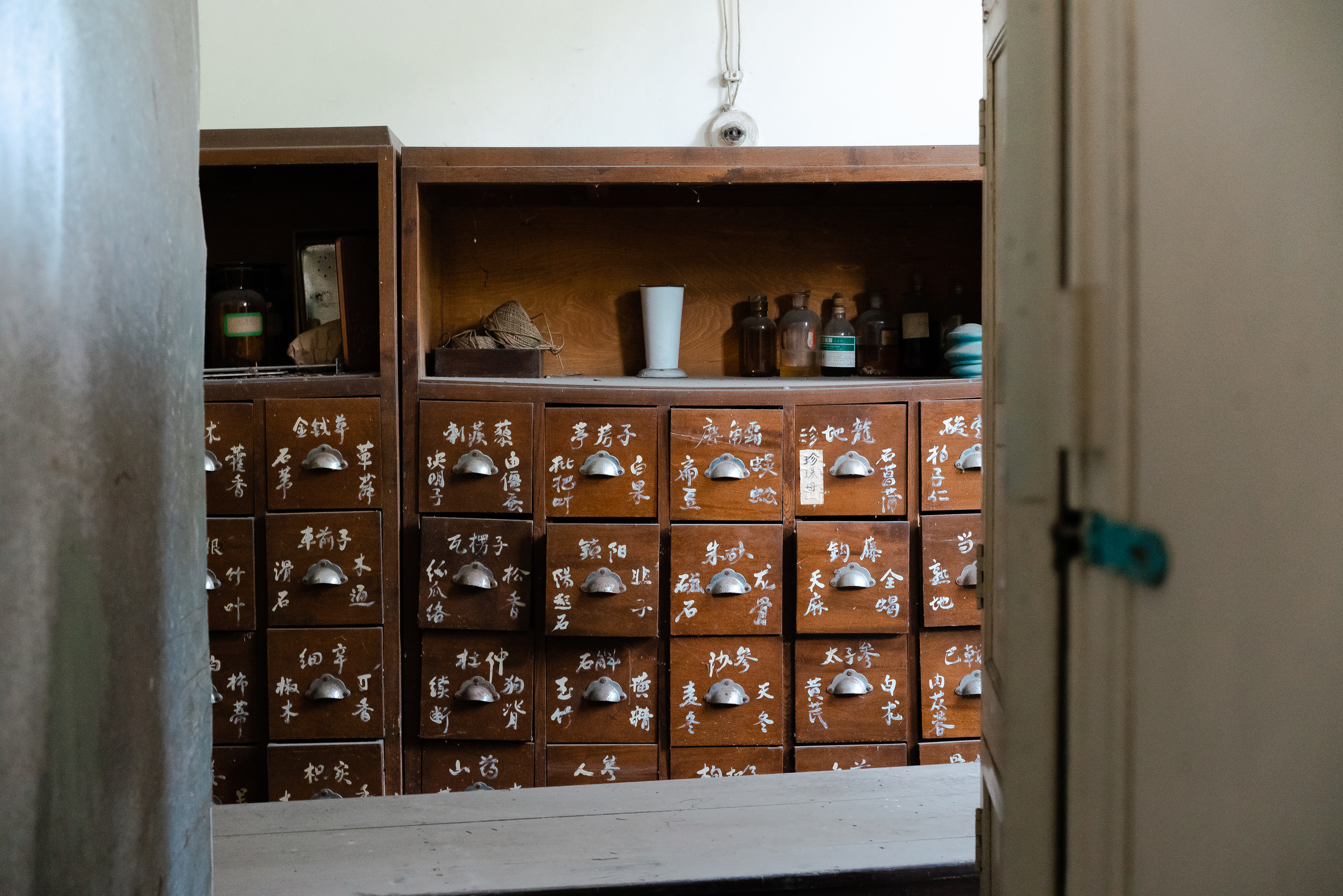
Photography asks of disappearance an image upon which the gaze can still rest. It brings overlooked existences back into view, granting them “an immortality at odds with time”. Yet this immortality has exacting conditions: the instant preserved can no longer unfold. Reality continues to change; the past within the image is permitted to return without end.

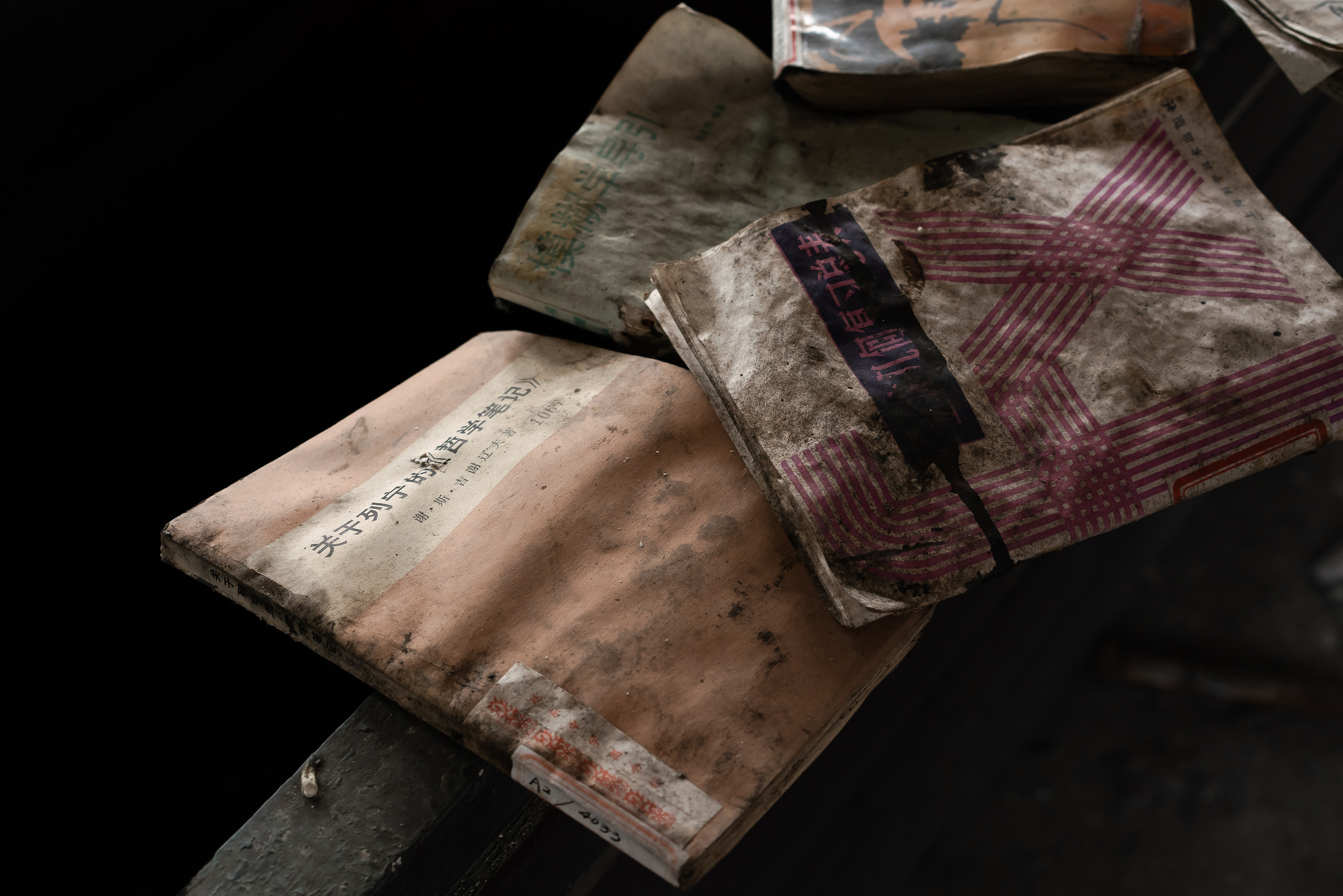
The photographer participates in this redistribution of fates. Framing, lingering, isolating a moment: these determine what may remain, and in what form. Even when the body is concealed behind the camera, the position from which it looks remains embedded in the image. Preservation also entails a severance from reality.2
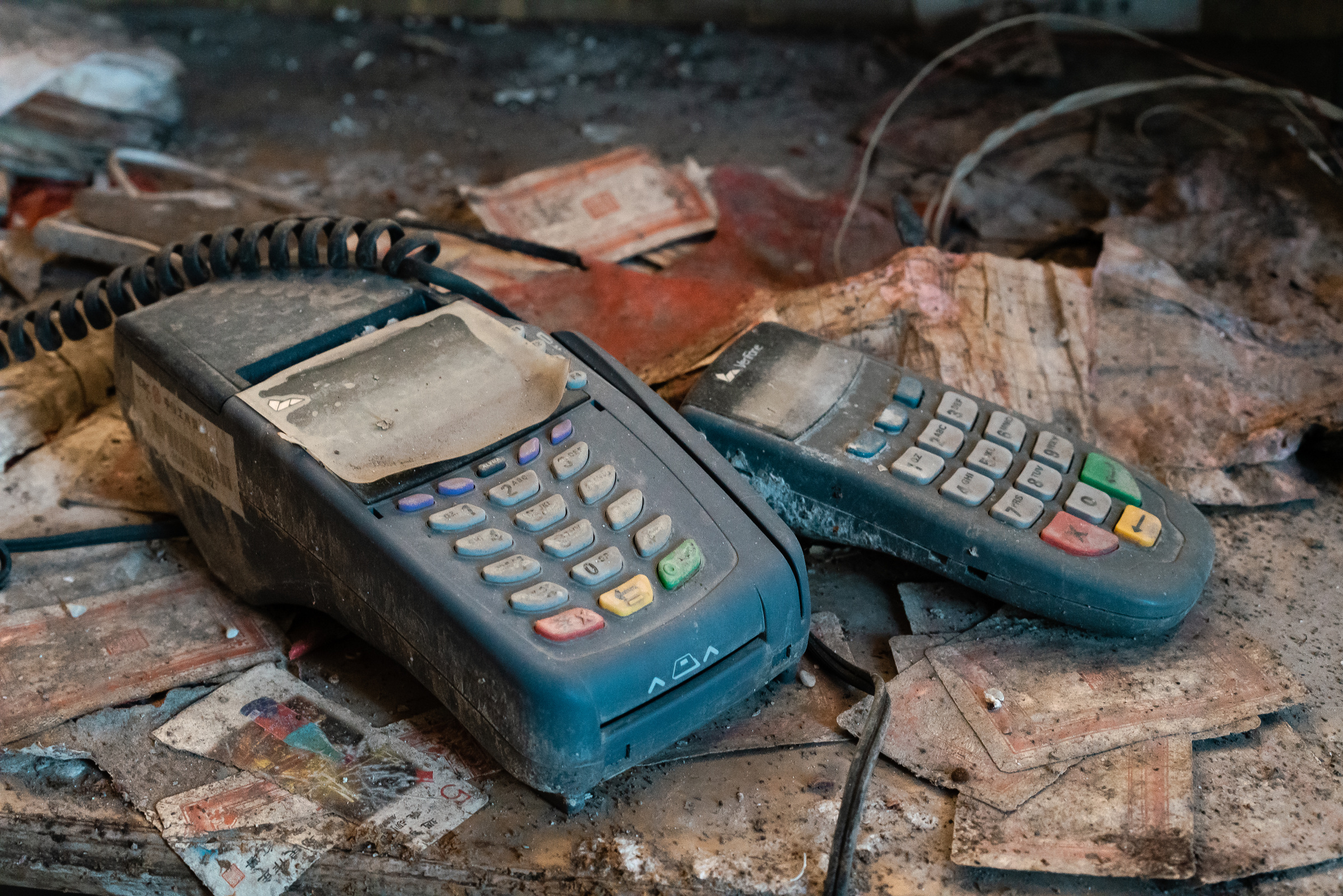
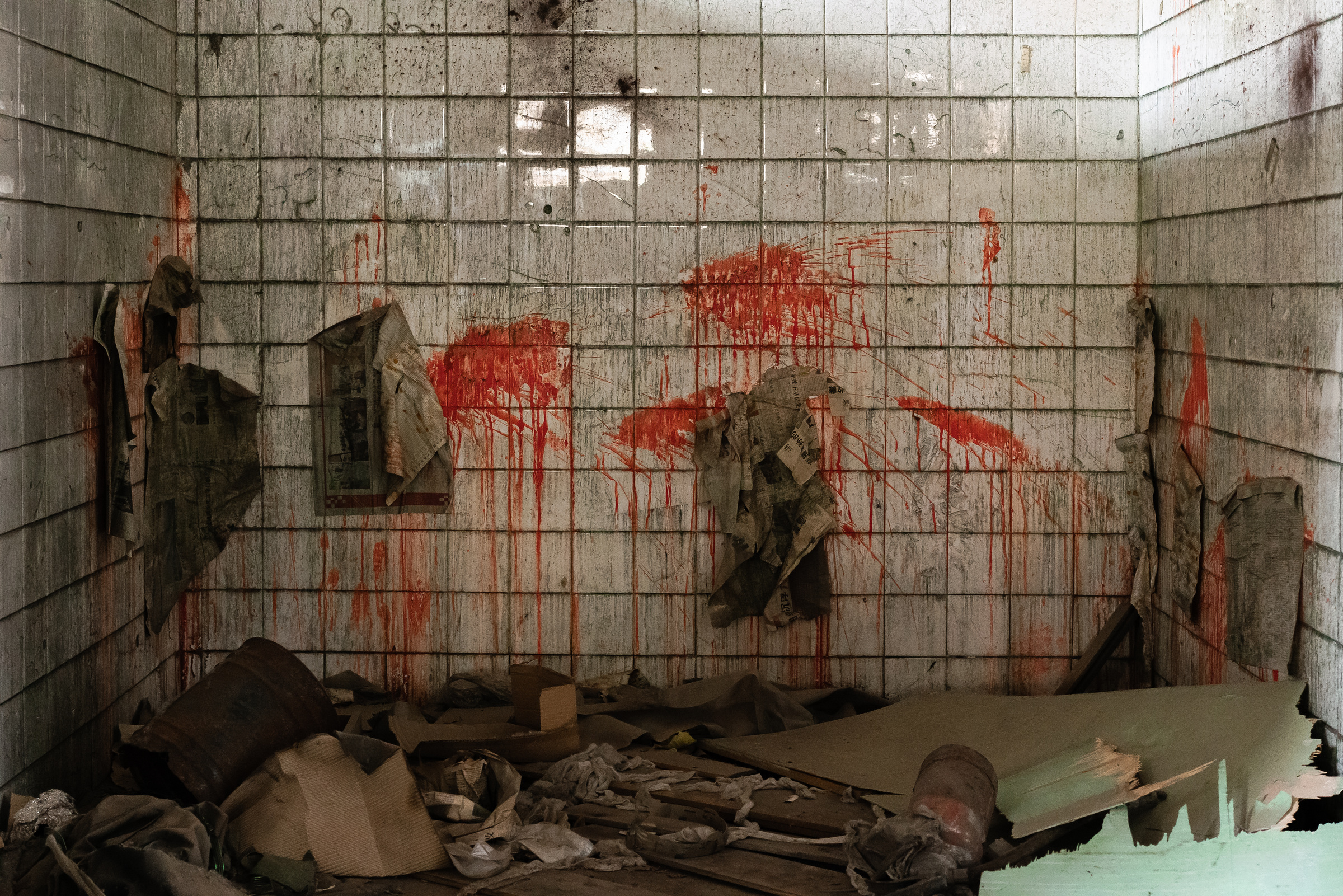
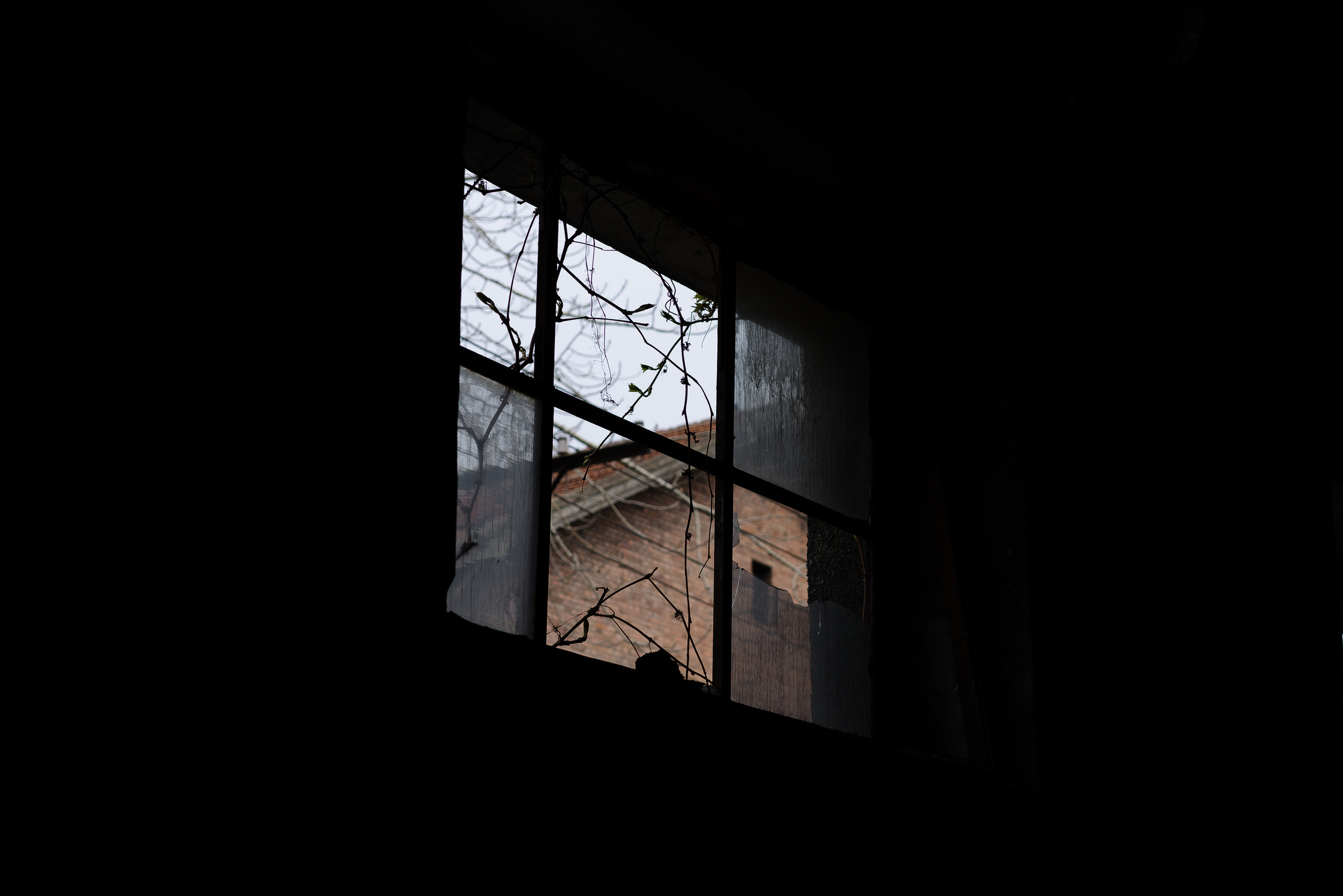
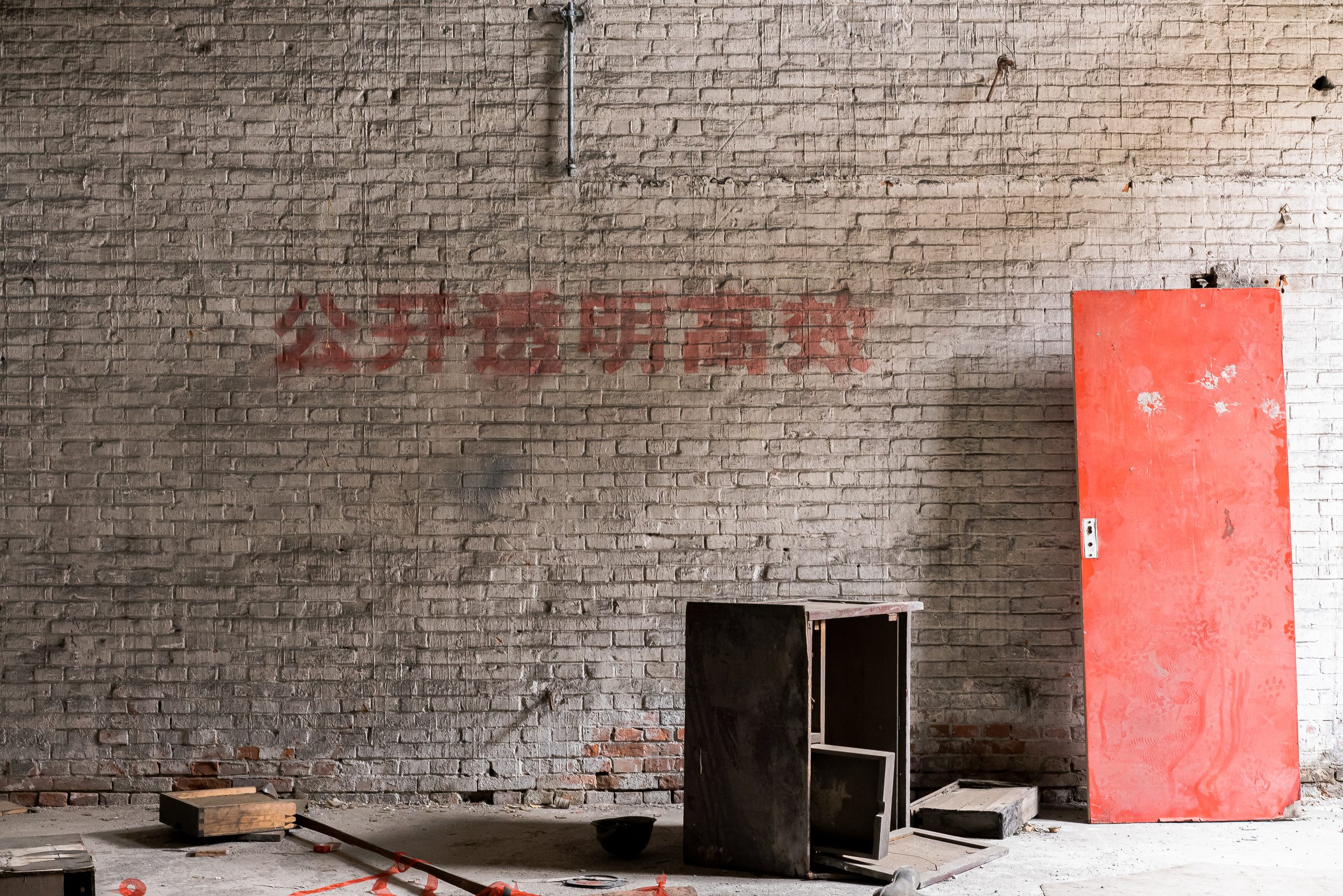
Forgetting, too, can inhabit a surviving image. A surface may endure while the relations that once made it part of a life are lost.3 Amnesia remains in the interval between the two, keeping visible both what time has left behind and its remoteness. Photography preserves these presences, while fixing our distance from them.
References
- Svetlana Boym, “Tatlin, or, Ruinophilia”, Cabinet 28 (2007–08).
- Susan Sontag, On Photography (1977).
- David Campany, “Safety in Numbness: Some Remarks on Problems of ‘Late Photography’” (2003).